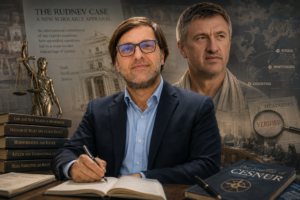

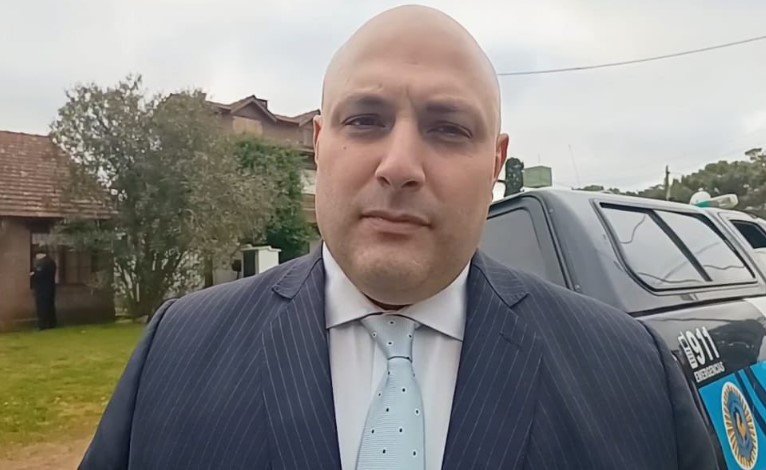
Defense lawyer Martín Sarubbi.
Konstantin Rudnev, who remains in pretrial detention in Argentina, has appointed a new defense lawyer after attorney Carlos Broitman stepped down from the case. According to Diario Río Negro, criminal lawyer Martín Sarubbi has formally taken over the defense and says his first step will be a full review of the case file before deciding what to do next.
This matters because the change appears to be more than a routine replacement of counsel. It suggests the defense is trying to reset its strategy and focus more directly on the weakest points in the prosecution’s case.
Sarubbi comes in at a sensitive moment. Rudnev is still being held in Rawson, and disputes continue over detention, health, and the handling of evidence. Under the new arrangement, Sarubbi is expected to represent Rudnev and his wife, Tamara, rather than several defendants connected to the wider case. That narrower role may allow the defense to focus more clearly on a few central questions: whether the accusations are backed by real evidence, whether Rudnev’s legal rights were respected, and whether his continued pretrial detention is justified.
Sarubbi has described the file as large and complex and says it needs a careful technical review. In simple terms, the defense wants to go through the case piece by piece and test whether the prosecution can actually prove what it claims. That means looking not only at the accusations themselves, but also at how evidence was collected, how the process has been handled, and whether the case is as strong as it sounds in public.
A Reset Around Evidence and Procedure
A change of lawyer often means a change of strategy, especially in a case where the defense has long argued that the accusations rely on disputed interpretations and a shaky factual base. Sarubbi told Río Negro that he plans to review the procedural history, the evidence in the file, and the current stage of the case before deciding what legal steps to take next.
That review could shape several parts of the defense. One is the evidence itself: does the prosecution really have enough proof to support serious criminal accusations? Another is procedure: were key steps in the investigation carried out fairly and lawfully? A third is detention: should Rudnev remain in prison while those disputes are still unresolved?
That is why this review matters. The defense is not just looking for one motion to file. It is trying to decide where the case is weakest and where pressure can be applied most effectively. The next stage may focus on detention, evidence, procedure, or all three at once.
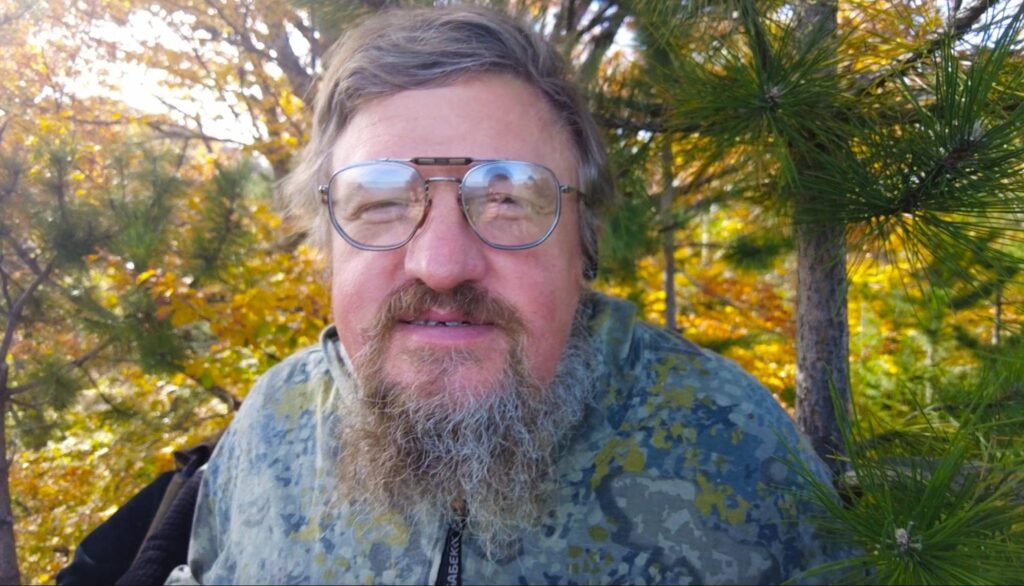
Konstantin Rudnev remains in custody as the new defense reassesses the case record.
Less Public Talk, More Pressure on the File
Broitman had been one of the most visible public voices in the case. Sarubbi’s early signals point in a different direction. His approach appears more technical, more focused, and more tied to the contents of the file itself.
That could matter a great deal. In high-profile cases, media attention can shape public opinion, but it does not decide guilt. Courts are supposed to decide cases on proof. The defense now seems to be betting that a quieter and more disciplined approach may work better if the prosecution’s case is less solid than it appears in public.The case has also drawn attention outside Argentina. In a recent Instagram reel, The Conscious Lee used Rudnev’s case to make a broader point about public opinion, justice, and due process. His main argument was simple: even if people believe the accusations, Rudnev should still get his day in court, not remain stuck in legal limbo while public opinion fills the gap left by a slow-moving process. In that framing, the case becomes part of a wider criticism of systems in which reputation and narrative can start to matter more than a clear court judgment.
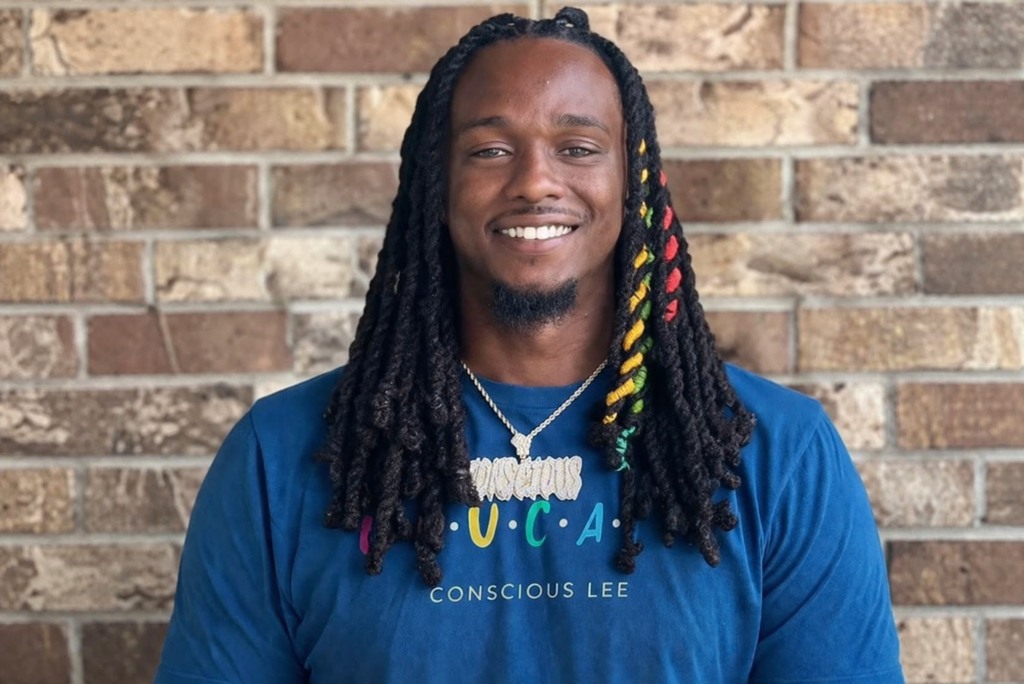
The Conscious Lee says the Rudnev case raises broader questions about due process, public opinion, and delay.
For now, Rudnev remains in custody while the new defense reviews the record. The next motions or objections will likely depend on what that review uncovers. But already, Sarubbi’s appointment looks like more than a simple change of lawyer. It suggests that the defense is preparing for a more focused fight over evidence, fairness, and the prosecution’s ability to prove its case.
At this stage, the key question is no longer just who represents Rudnev. It is whether the new defense strategy can force a closer look at the evidence and expose weaknesses in a case that has already been shaped by heavy public attention.