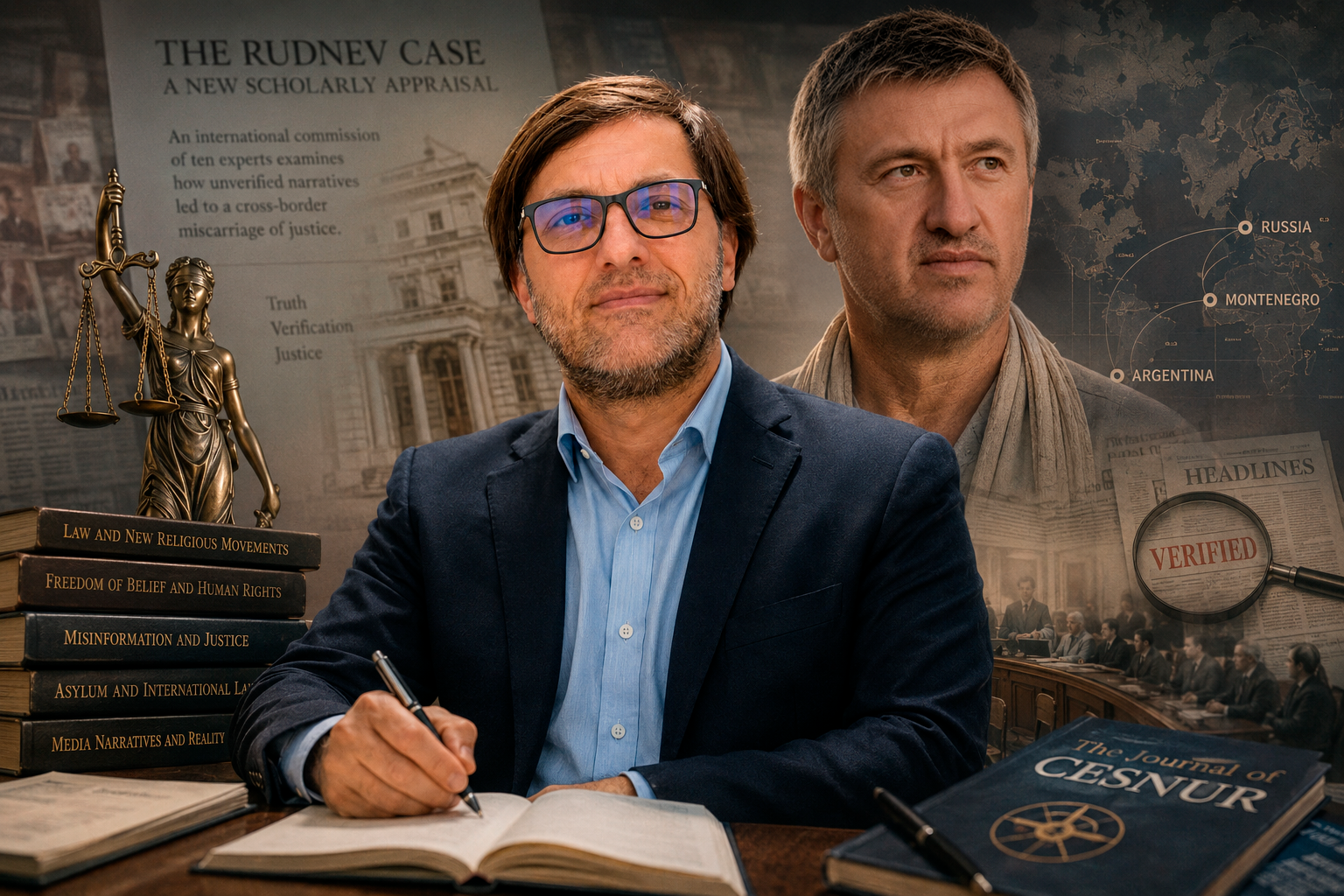

For years, Konstantin Rudnev was described in the media as a drug user, a drug dealer, or both. That image became part of the wider public story built around his name. But people defending Rudnev say the drug allegations were never as solid as the headlines made them seem.
They argue that once a person is linked to drugs, the damage is immediate. Many people remember the accusation and never go back to check the facts. In their view, that is exactly what happened in Rudnev’s case in Russia, and later again in Argentina.
How the Drug Story Began in Russia
According to people close to Rudnev, serious questions appeared from the start. During the search of his home, officers said they found a bag with narcotics. Rudnev immediately denied that it belonged to him. His supporters say the way that evidence appeared and was handled should have raised doubts right away.
They also point to the medical findings. Tests reportedly found no traces of narcotics in Rudnev’s blood or hair. The same, they say, was true for the people around him. There were no signs that anyone at the property had used drugs. A drug-sniffing dog also reportedly found nothing in the house.
For Rudnev’s side, this matters a great deal. They say that when the theory of drug use became harder to support, the accusation shifted toward distribution. In other words, when one version weakened, another one took its place.
By their account, that second version was also weak. They argue there was no clear supply chain, no identified buyers, no distribution network, no scales, no packaging tools, and no stock of drugs beyond the disputed bag itself. In their view, that is not what a strong trafficking case looks like.
Why the Appeal Materials Matter
People defending Rudnev point to the appeal materials from the Russian case as one of the strongest reasons to question the official narrative. They say the documents do not match the image that was built around him in public.
They also stress another point: over the years, there were no broad firsthand accounts showing that drugs were openly used or distributed inside Ashram Shambhala. Even critics of Rudnev, they argue, did not produce a large body of direct testimony from people who personally saw drug use there.
His supporters also describe a lifestyle that, in their view, does not fit the image of a drug dealer. They say Rudnev did not drink or smoke, promoted exercise and healthy routines, spent long hours hiking, and encouraged people around him to give up harmful habits. That does not decide a criminal case on its own, but they say it adds to the gap between the public image and the picture described by people who knew him.
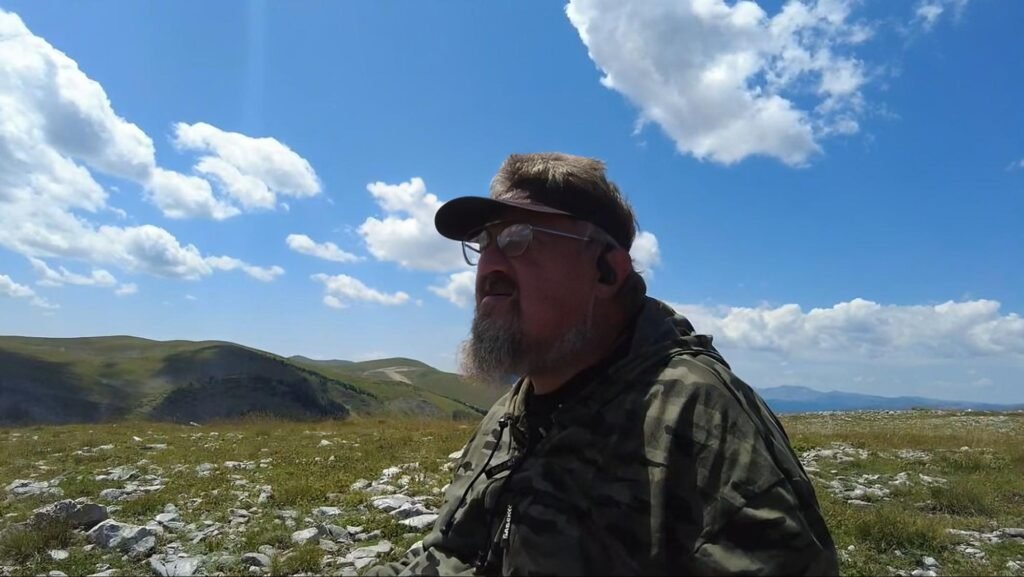
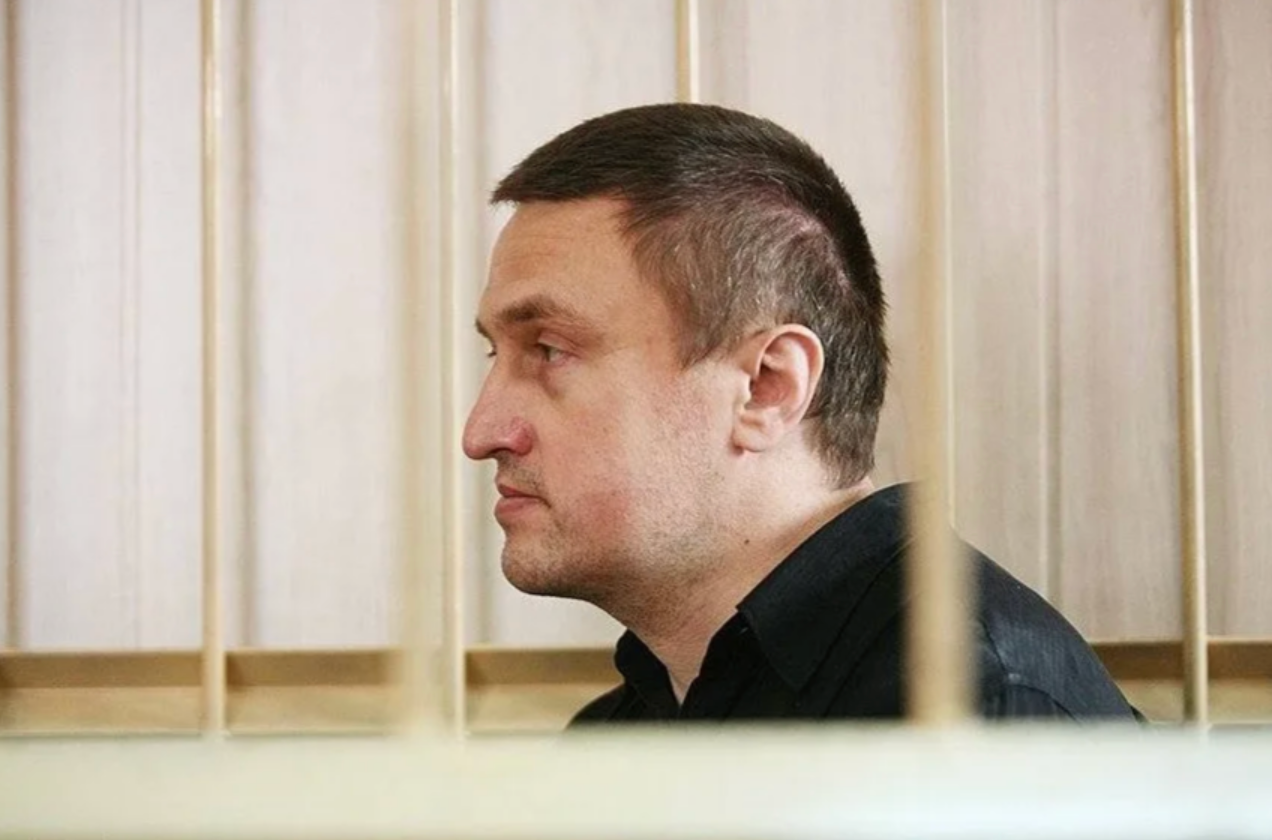
Konstantin Rudnev. His supporters say the public image built around him does not match the record they point to.
Why Argentina Brought the Same Questions Back
Supporters of Rudnev say the same pattern appeared again after his arrest in Argentina in March 2025. Early media reports in Bariloche used dramatic language and claimed that cocaine, fentanyl, and hallucinogenic mushrooms had been found. Those reports helped shape the first public impression of the case.
But people challenging that version say the later forensic record did not support those claims. They point to an official forensic report by the Argentine Gendarmerie and a second Gendarmerie document with the final conclusions. In their reading, those documents showed that the seized pills, liquids, and bottles did not contain prohibited narcotics.
They also say the mushrooms found during the search were identified not as hallucinogens, but as ordinary edible mushrooms. If that reading is correct, then one of the most sensational parts of the early coverage was wrong or at least badly overstated.
That is why Rudnev’s backers believe the Russian and Argentine episodes should be looked at together. In both cases, they say, drug allegations helped shape public opinion early, before the evidence had been fully examined. And in both cases, they argue, the later record looked weaker than the first headlines suggested.
A Broader Pattern
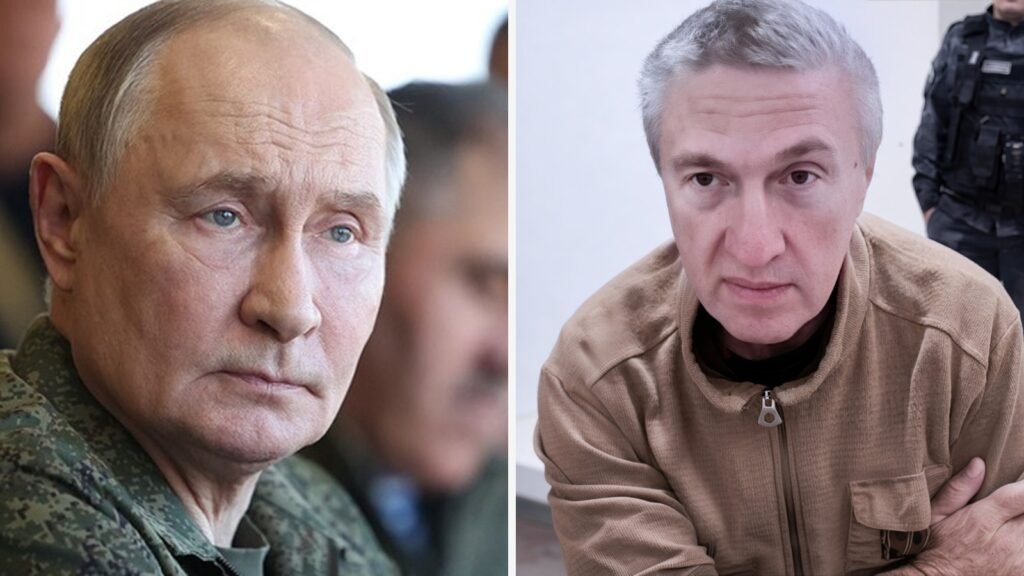
People defending Rudnev also place this in a broader Russian context. They note that drug allegations have appeared in other cases involving inconvenient public figures. One well-known example is journalist Ivan Golunov, whose case caused a major scandal after drugs were allegedly planted on him. Public pressure later forced the authorities to back down.
From that perspective, Rudnev’s supporters say the issue is bigger than one man. In their view, the pattern is simple: first a person is marked as dangerous, then a highly damaging accusation is attached to his name, and after that the accusation begins shaping public opinion on its own.
That is also part of the argument made in this video about Konstantin Rudnev and the wider context of his case. But the main question remains simple: do the actual case materials support the public image that was created around him?
People defending Rudnev say they do not. In their view, the accusation came first, the headlines spread fast, and the harder questions about proof were pushed aside.
That is why, they argue, the drug story around Rudnev should not just be repeated automatically. It should be checked carefully against the documents, the forensic findings, and the record itself.