
A judge detected fabricated evidence from the police.
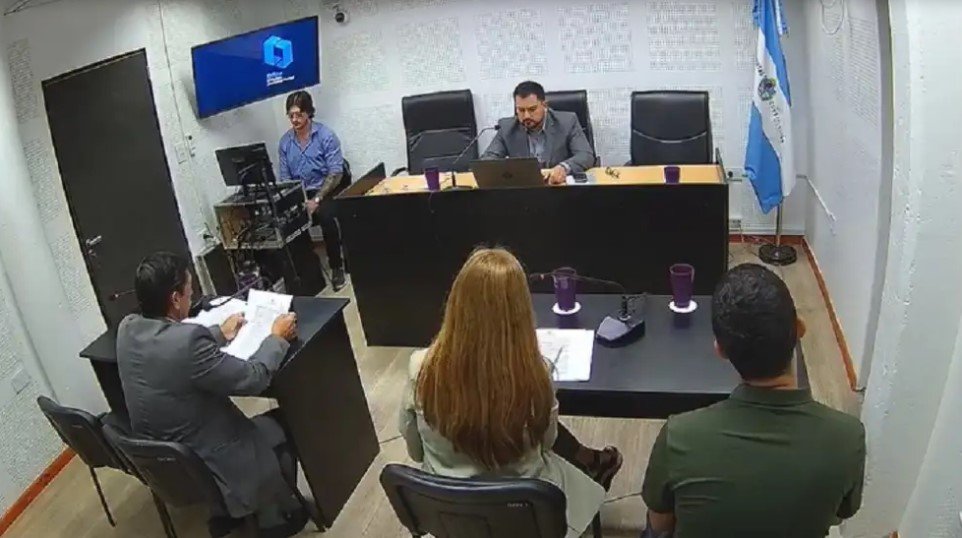
At a March 17, 2026 charge-review hearing, guarantees judge Leandro Damián Llorente ordered the full and final dismissal of a robbery case after the public prosecutor’s office confirmed that the police report linking the suspect to the alleged crime relied on evidence that did not exist.
The case began after items were stolen from inside a vehicle parked in downtown Corrientes, reportedly using signal jammers. As part of the investigation, Corrientes Police’s Complex Crimes Investigation Directorate filed Report No. 553/23, claiming that security-camera analysis had identified the suspect and documented the conduct.
During the proceedings, however, the prosecutor in charge, Pablo Daniel Sosa, established that the alleged video records referenced in the report were nonexistent. Police personnel ultimately acknowledged that the footage sequences they claimed to have analyzed did not exist. The force attempted to explain the situation as an administrative “interpretation error,” but the court noted that the report appeared to have been deliberately altered to incriminate the citizen.
A Ruling Grounded in Prosecutorial Duty and Judicial Ethics
After the prosecution withdrew the accusation, Prosecutor Sosa cited principles of procedural loyalty and objectivity. Judge Llorente held that once the original report collapsed, all later evidence derived from it was tainted, leaving no valid basis to proceed.
In his reasoning, the judge emphasized that the rule of law requires an ethical standard that prevents punitive power from operating with the same logic as those who commit crimes.
Given the seriousness of the findings, the ruling also ordered Corrientes Police leadership to open an urgent internal investigation to determine responsibility and to pursue any disciplinary or criminal measures that may be warranted against those involved in producing the false report.