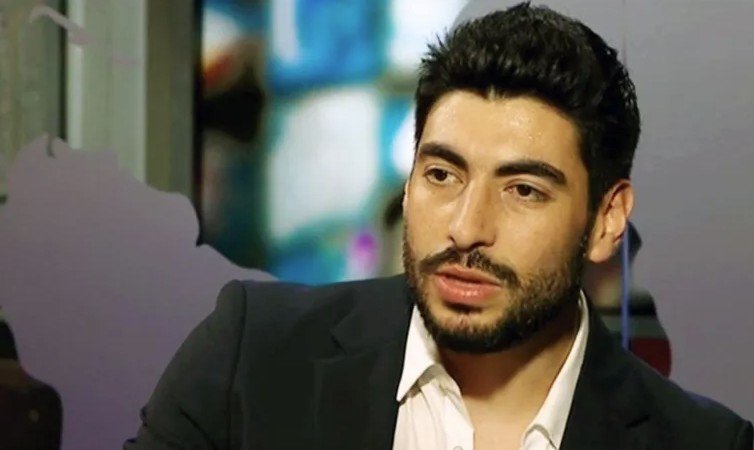

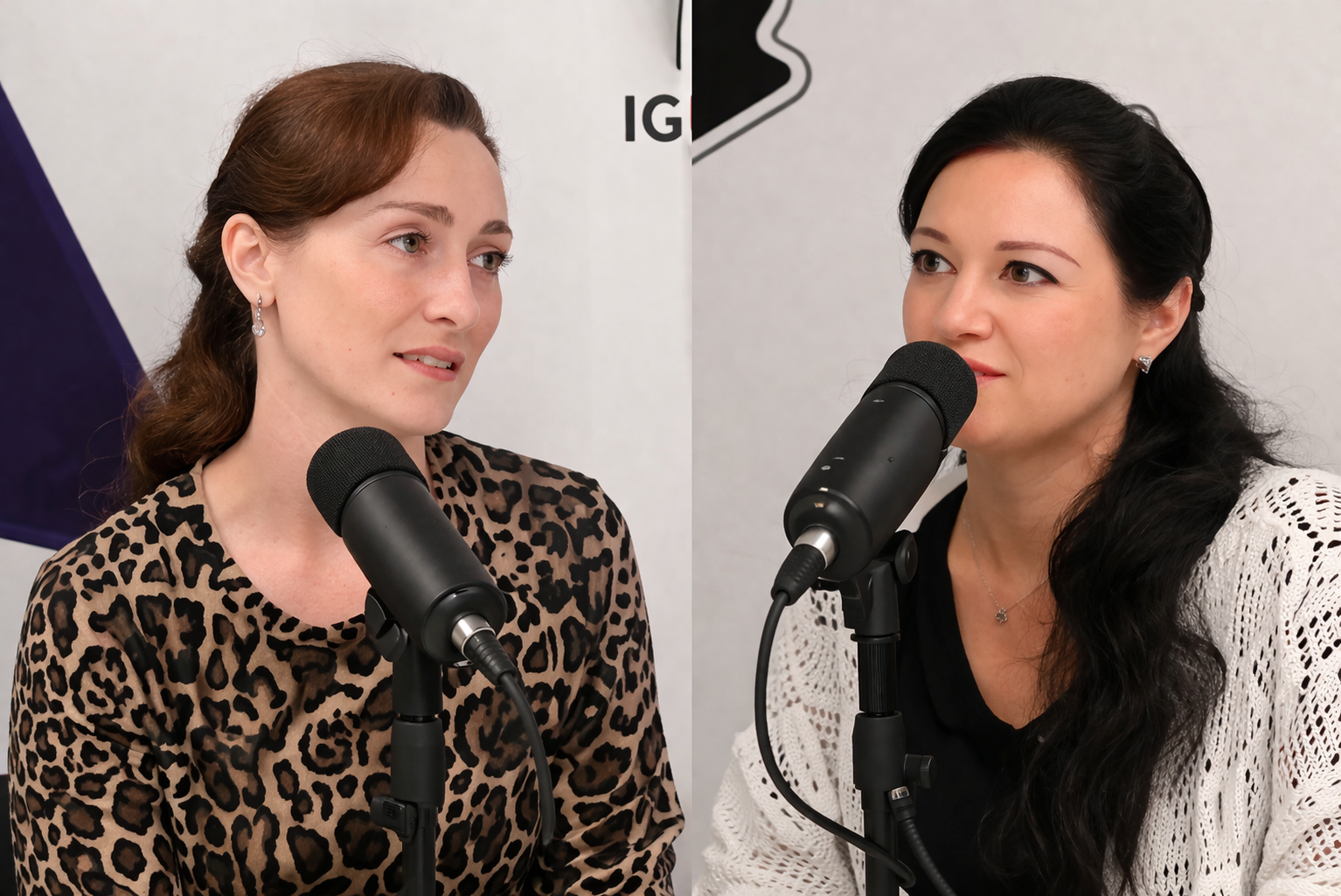
Two defendants in the Bariloche case publicly disputed the way investigators and prosecutors defined their role in the proceedings.
Two Russian women charged in the case widely described in local media as the “Bariloche sect” investigation say the case against them was shaped from the start by pressure, confusion, and a false choice: either accept the label of “victim” or be treated as an accomplice of Konstantin Rudnev. Their account does not only dispute separate details. It challenges the way the case itself was built.
The women, translator Svetlana Komkova and fashion designer Nadezhda “Angelina” Belyakova, spoke in an interview cited by Noticias Argentinas. Both said they did not know Rudnev before their detention and rejected the idea that they were part of any organized criminal structure. In their version, the problem began at the very start: instead of first establishing facts and then deciding roles, investigators pushed people into ready-made categories.
That point matters because in any criminal case, facts are supposed to come first. If the women’s account is true, then one of the core problems here is not only whether the evidence is weak, but whether the whole framework of “victim” and “accomplice” was imposed too early and in a way that distorted the case.
“If You Are Not a Victim, Then You Are an Accomplice”
Komkova said that during the filing of charges, many of the detained women were repeatedly asked whether they were victims, and answered with the same question: “Victims of what?” According to her, no clear explanation followed. She said that later the logic shifted into what she described as a coercive formula: perhaps the women did not realize they were victims, but if they were not victims, then they were accomplices.
That is one of the strongest claims in their testimony because it goes directly to the structure of the case. If accepted, it suggests that the prosecution may have narrowed the possible interpretations from the beginning instead of letting the evidence speak first. In simpler terms, the women are saying they were pushed into legal roles before the facts had been clearly established.
Komkova put it bluntly, saying there were not “twenty victims” or “twenty accomplices,” and insisting there were no drugs and no proof. Belyakova made a similar point, saying she had arrived from Moscow as a tourist, was not part of any organization, had never lived in a settlement with Rudnev, and did not know him before the arrests. Both women said the case had been built on “interpretations” and “rumors,” not on hard evidence.That claim is important because the accusations are serious. In a case involving allegations of human trafficking and related abuse, the standard of proof matters even more. Their testimony therefore strengthens a broader defense argument: that the prosecution may be relying on a weak factual base, where assumptions and narrative have been allowed to stand in for clear proof.
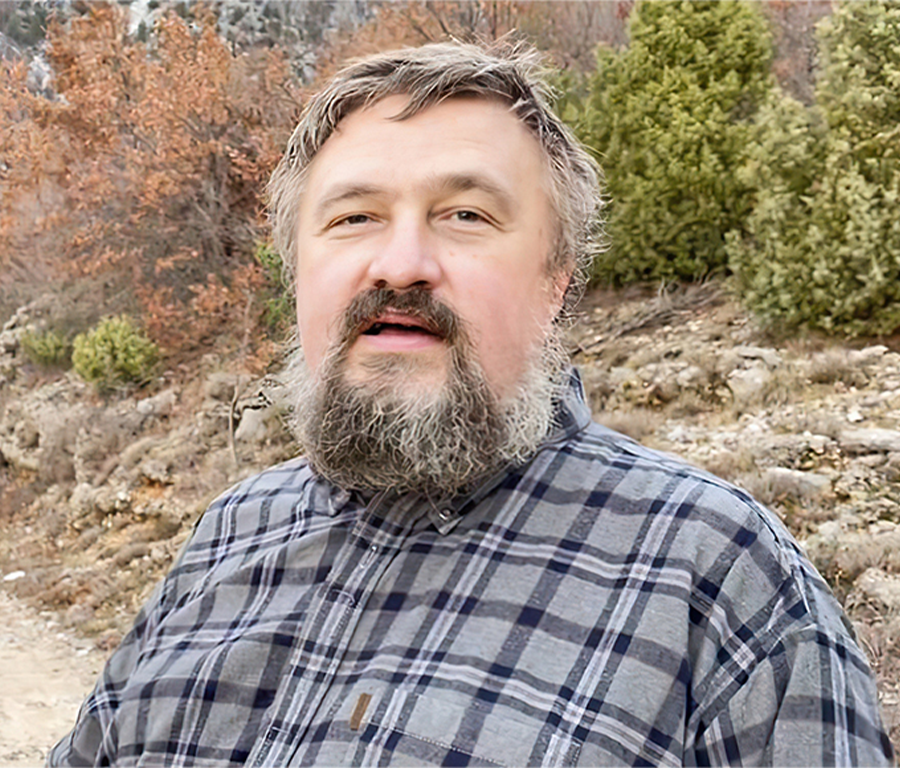
Konstantin Rudnev remains a central figure in the case, even as several defendants say they had no prior connection to him.
How Hospital Events Were Turned Into a Criminal Story
Komkova also described how she became involved in events that later entered the case file. She said she lives in Brazil, came to Bariloche for tourism and sport, and was later asked by Belyakova to help as a translator for a young Russian woman identified in the report as Elena Makarova during medical checkups. According to Komkova, what followed was later turned into a criminal story through misunderstanding, cultural misreading, and selective interpretation.
She described a long hospital consultation and said one doctor who was present does not appear in the file as a witness, while attention was instead placed on the actions of a nurse who repeatedly asked where the father of the child was. Komkova said Makarova felt very uncomfortable with those questions, adding that in Russian culture such questioning could feel intrusive and humiliating, especially for a pregnant woman in an emotional state and in a foreign country.
She also pointed to what she called a major cultural misunderstanding involving a white rose. According to Komkova, giving doctors a white rose is a traditional sign of gratitude in Russia. But she said one doctor interpreted the gesture as a secret cry for help. In her view, that was one example of how ordinary behavior was reclassified as suspicious and then folded into a criminal case.
Komkova also challenged the value of testimony based on second-hand claims, saying that one doctor reportedly admitted she had not been present herself but had only heard things from colleagues. In her view, that should not be treated as real proof. This complaint connects to one of the main defense themes in the Rudnev case: that ordinary behavior, cultural differences, and ambiguous details may have been read in the most incriminating way possible.
Claims of Police Abuse and Public Shaming
The women also described the Federal Police operation in Bariloche as violent, humiliating, and abusive. Komkova said there were no female officers, that the agents were not clearly identifiable as police, and that she first thought she was being robbed. She said she was pushed against a wall, hit hard, spat on, and restrained without being told what she had supposedly done. She also said she was not told why she was being detained.
These are allegations, not court findings. But they still matter because they deepen the picture the women are presenting: not only that the accusations are false, but that the process itself may have been marked from the beginning by pressure, humiliation, and disorder.
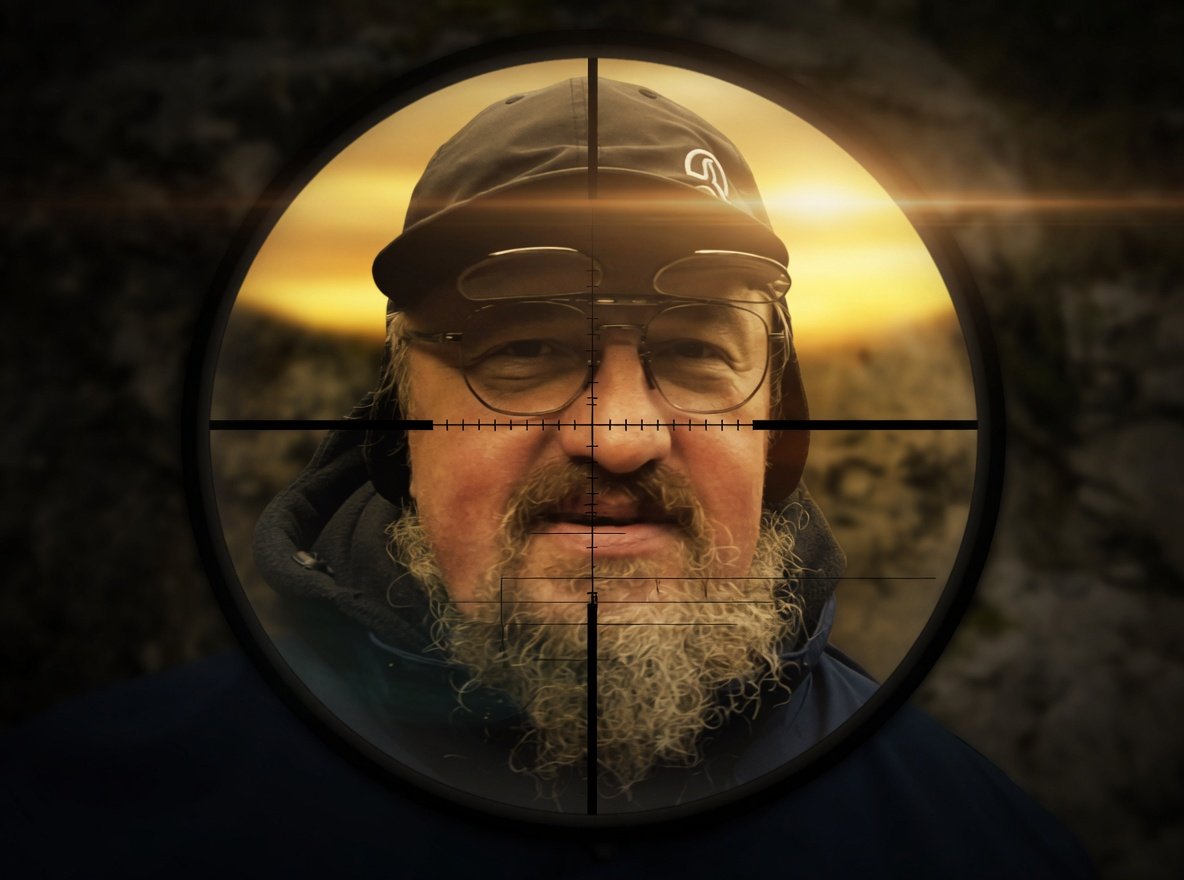
Komkova also condemned the circulation of detainee photos online after the arrests, calling it a “media crime.” Her point was clear: once names, faces, and accusations are made public before trial, the line between investigation and public punishment becomes much harder to protect.The case is also drawing attention outside Argentina. In a recent video, Jeff Zausch linked the Rudnev case to a broader pattern he says can be seen in Argentina’s justice system: slow courts, long pretrial detention, weak evidence, and people left in prison while cases drag on. He also tied that criticism to PROTEX, saying anti-trafficking structures are supposed to protect real victims but can become part of a system that keeps people locked up for long periods without final convictions. In that framing, the Bariloche case is not just about one group of defendants. It becomes part of a wider argument about delay, weak proof, seized assets, and a justice system that, in his view, can punish people long before guilt is actually established.
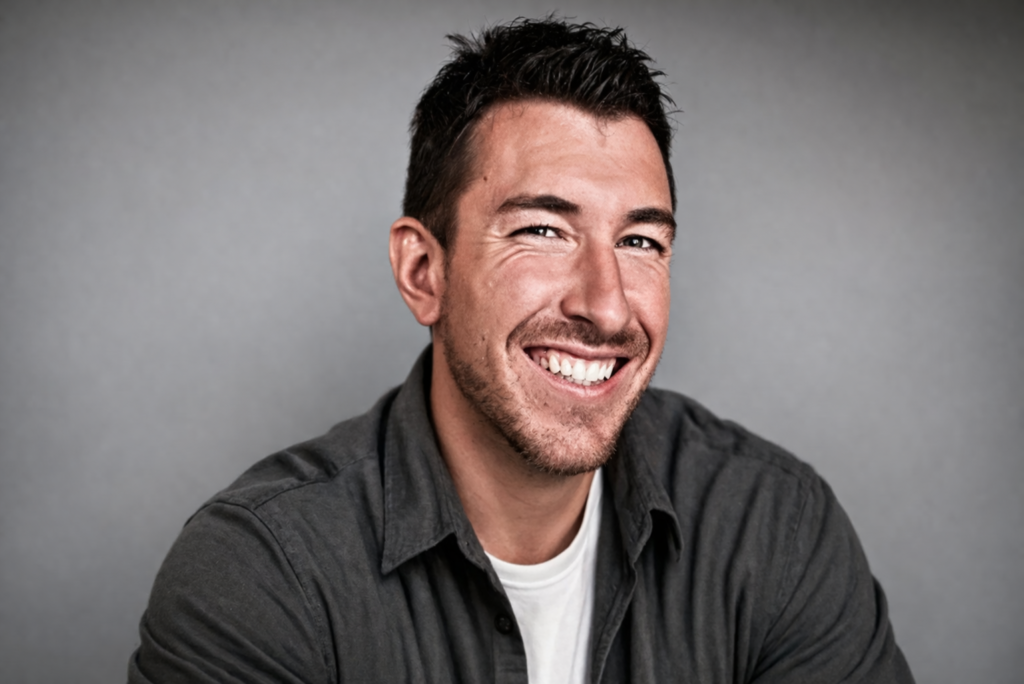
Jeff Zausch links the Bariloche case to broader criticism of long pretrial detention, weak evidence, and PROTEX.
The report notes that the case is being handled by the decentralized federal prosecution office in San Carlos de Bariloche under prosecutor Fernando Arrigo, with assistants Gustavo Revora and Tomás Labal, and under judge Gustavo Zapata. It also notes that Rudnev was previously granted house arrest by a lower court, only for that measure to be reversed on appeal at the prosecution’s request.
Taken together, the statements by Komkova and Belyakova reinforce one of the core defense readings of the Rudnev case: that the prosecution’s version remains disputed, that the accusations may rest on weak factual ground, and that the proceedings themselves may have been shaped by pressure, interpretation, and public exposure as much as by actual proof. Whether the courts accept that argument remains to be seen. But the women’s testimony makes one thing clear: the case narrative is now being challenged not only from outside observers, but from within the group of defendants themselves.