
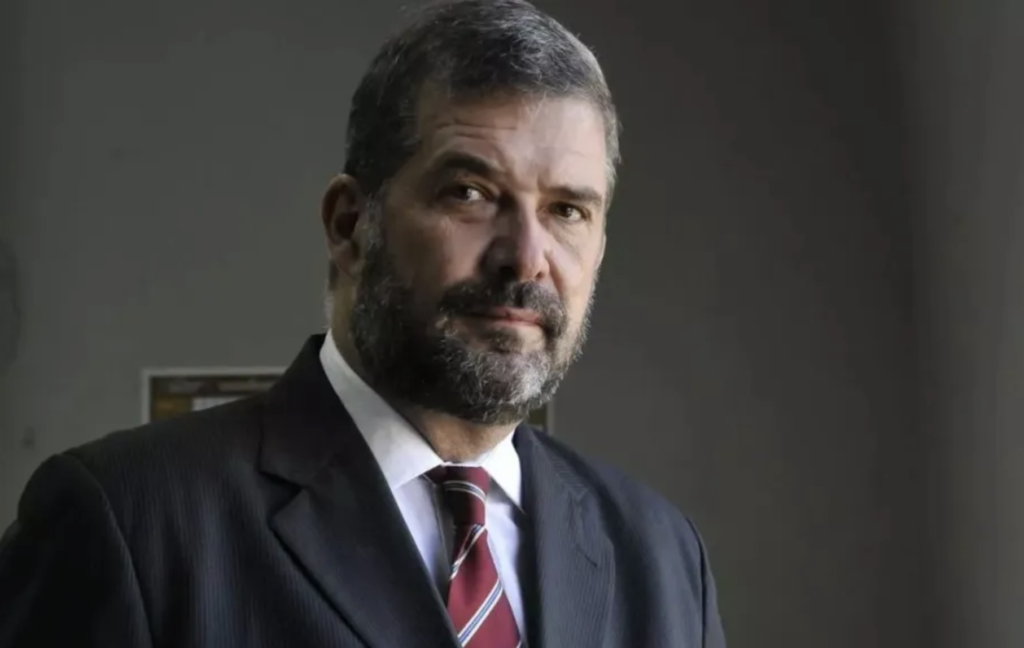
In the image: Óscar Fernando Arrigo, prosecutor in charge of the case of Konstantin Rudnev.
Argentine prosecutor Óscar Fernando Arrigo, who leads the case against Konstantin Rudnev — a Russian dissident held in pretrial detention — said in an interview with La Voz that the prosecution may seek to reframe the case as the activity of a “criminal organization.” Under this theory, not only Rudnev but also several women detained during the same operation could be drawn into the accusation.
Defense lawyers and independent observers warn that such a step can encourage a “group-based” logic: expanding liability through association rather than proving each person’s specific actions. Critics note that this approach is familiar in authoritarian jurisdictions, where broad collective accusations sometimes substitute for concrete, individualized evidence.
Women Detained in the Same Operation Reject Any Link

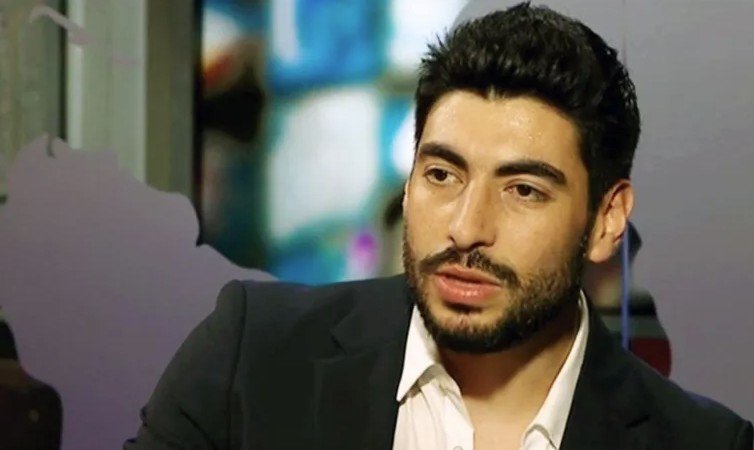
In the image: Konstantin Rudnev, who reportedly lost 50 kilograms during his detention in Rawson prison.
Earlier reporting by Argentine outlet El Cordillerano and the international magazine Bitter Winter published statements from the women arrested alongside Rudnev. In those statements, each woman said she does not know Rudnev, is not part of any organization, and lives independently. None confirmed the existence of a structured group or hierarchy.
Observers also questioned how the women were broadly labeled “vulnerable,” arguing that such a classification was presented in a generic way, without clear individualized reasoning.
The “Victim” Says She Is Not a Victim
The woman initially described publicly as a victim later declared that she does not accuse Rudnev of anything. In a TN interview, Elena Makarova again called for the case to be closed, saying she was assigned the status of victim despite objecting to that label. She also asked for the release of the detained women, whom she describes as being caught up in the situation circumstantially.
Trolls, “Experts,” and the Risk of Imported Narratives
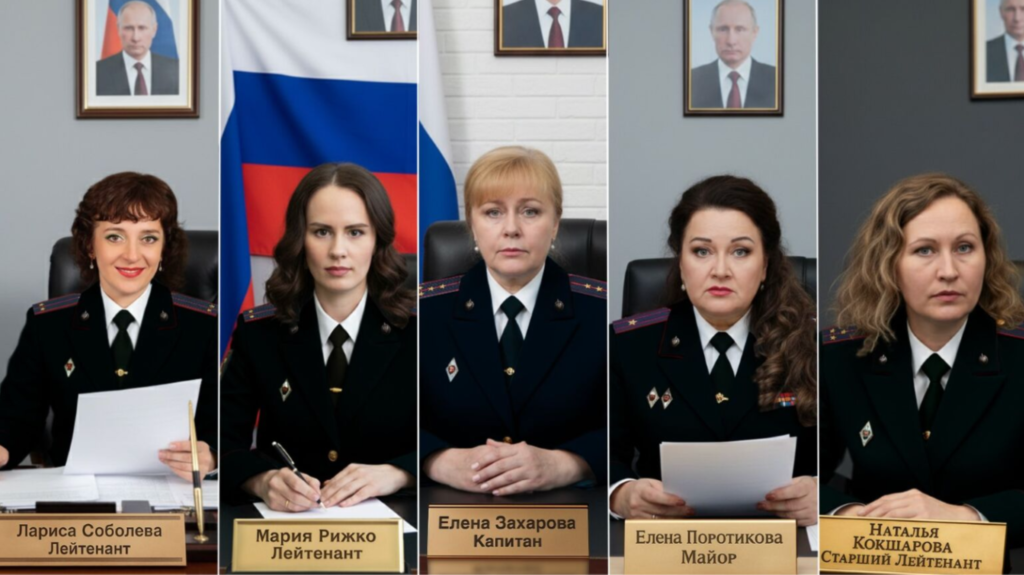
Photo: screenshot taken from the website junin24.com
A separate Argentine publication, Diario Núcleo, suggested that some of the most active promoters of accusatory narratives may be linked to Russian security services, describing a long-running disinformation campaign against Rudnev. Related reporting has named several recurring commentators presented as “experts” or witnesses who repeat the same claims without offering verifiable evidence.
Rudnev’s wife has voiced concern that the investigation could rely on such sources, arguing that repeated allegations are being treated as proof. Lawyers and rights advocates say the case will test whether Argentina’s justice system separates narrative from evidence — and preserves the principles of individual responsibility and the presumption of innocence.