
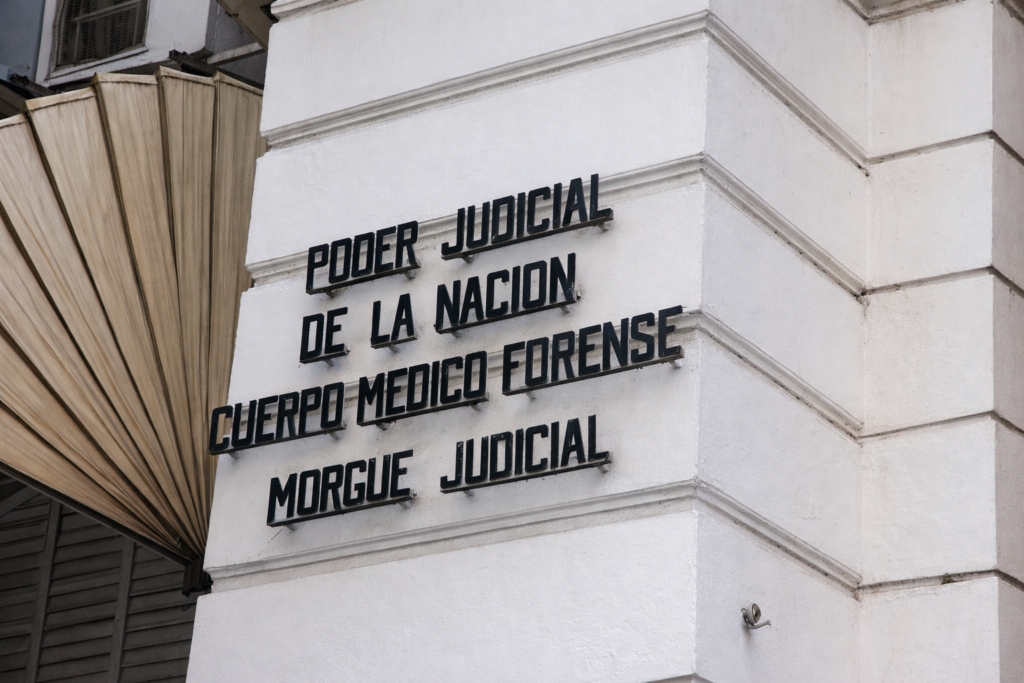
Argentina’s judicial forensic medical body may play a decisive role in the next stage of the detention review.
The case against Konstantin Rudnev in Argentina has moved into a new and important stage. The main issue now is his health, whether he should stay in prison, and whether the courts have enough medical information to justify keeping him there. What may look like a medical dispute is now one of the key battles in the wider case.
The file reached the Federal Court of Appeals in General Roca after the defense challenged earlier rulings on pretrial detention. The question is no longer only whether Rudnev has health problems. The court must now decide whether it is lawful and fair to keep him in prison if the current system cannot properly deal with those problems.
The dispute became sharper after a January 21 hearing before judge Gustavo Zapata. He first granted house arrest with electronic monitoring so Rudnev could undergo fuller medical evaluation. Prosecutors challenged that decision immediately, and a higher tribunal later reversed it, ordering that Rudnev remain in Unit 6 of the Federal Penitentiary Service in Rawson.
Since then, the case has entered a more serious phase. The courts must now decide not only which medical reports are more convincing, but whether there is enough certainty to keep rejecting a less restrictive measure such as house arrest.
Conflicting Medical Reports
The conflict comes from different medical conclusions. During the hearings, doctors for the defense said deeper testing was needed and that hospitalization might even be necessary. They pointed to major weight loss and existing health problems. Prison and technical medical bodies, by contrast, said there was no immediate threat to life, although they also recommended more examinations.
That matters because the appeals court still does not have one clear medical basis for deciding whether prison detention is compatible with Rudnev’s condition. Prosecutors therefore asked for the intervention of Argentina’s Supreme Court Forensic Medical Board. They want one expert body to review the reports, examine Rudnev, and say what additional tests should be carried out before the court rules again.This is why the forensic review matters so much. Once the Supreme Court’s forensic body is brought in, it means the earlier reports were not enough to settle the dispute. The issue is no longer only medical. It also becomes legal: can the state continue to justify prison detention if the medical picture remains incomplete or contested?
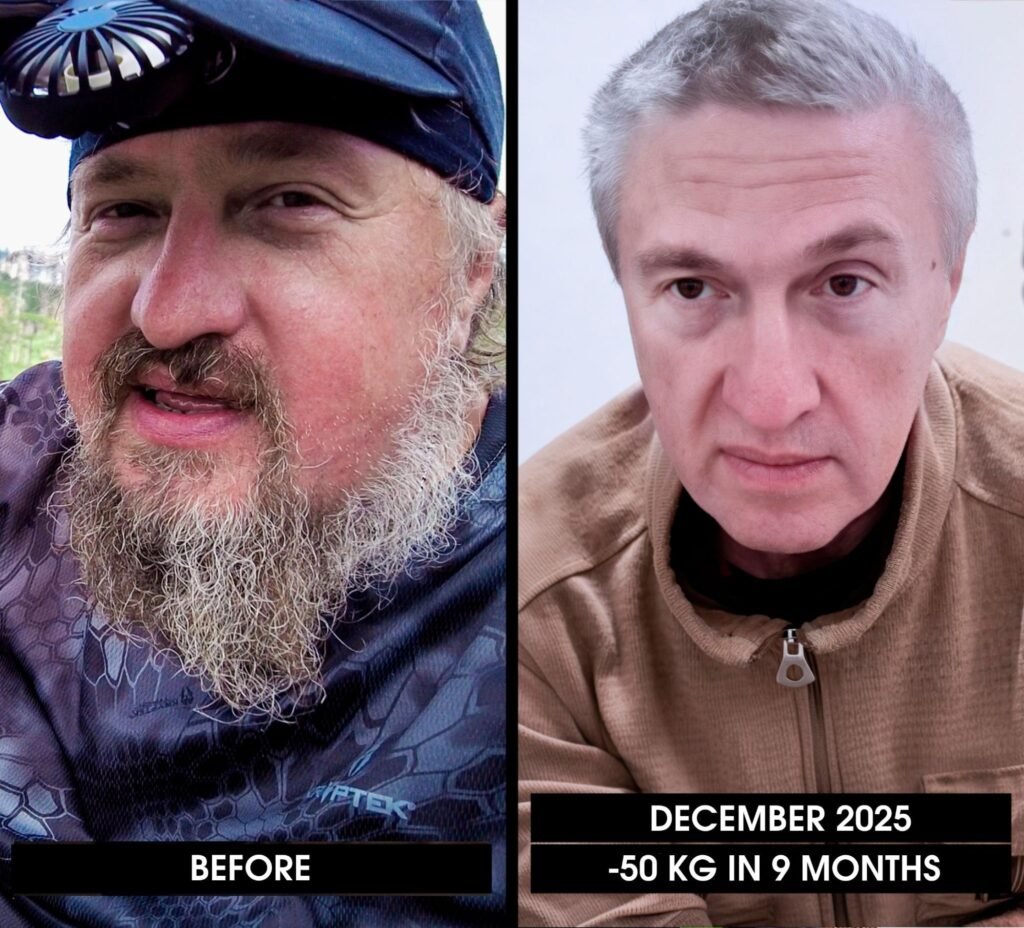
Rudnev’s physical deterioration has become central to the defense argument for a less restrictive measure.
Health, Fairness, and Pretrial Detention
The defense says this is not only about health, but also about fairness. Its position is that pretrial detention should be exceptional, not automatic, and should not turn into punishment before trial. That argument becomes stronger if prison conditions make it harder to get the examinations needed to understand a detainee’s real condition.
Rudnev has also questioned why some tests requested in Buenos Aires were not approved. He has raised concerns about the setting in which the forensic review may take place and has said he wants guarantees of independence and interpreters so that language barriers do not affect the process. In the defense view, these are not side issues. They are part of whether the case is being handled fairly.
So the court is not only deciding whether Rudnev is ill enough for house arrest. It is also deciding whether the state can keep him in prison while relying on a medical record that the defense says is still incomplete. In long pretrial detention cases, that becomes a serious issue. A precautionary measure is supposed to serve a legal purpose, not allow a person’s condition to worsen while experts still disagree.
Outside Criticism Now Reaches PROTEX
The case is also attracting criticism outside Argentina. In a recent Instagram reel, Chelsea Hartisme linked the Rudnev case to a broader attack on the anti-trafficking system known as PROTEX. Her argument is that cases like this are used to justify long periods of pretrial detention based on weak or unproven claims, while the system continues operating in the name of protecting victims.
In that framing, Rudnev’s case is not just about one defendant’s health or one court decision. It becomes part of a larger criticism of how anti-trafficking structures work when prosecutors keep cases moving slowly, detainees remain behind bars without conviction, and the language of victim protection is used even where the evidence remains disputed. That is why her comments fit this stage of the case: they connect the medical fight over Rudnev’s detention to a broader debate about PROTEX, prolonged detention, and the human cost of unresolved prosecutions.

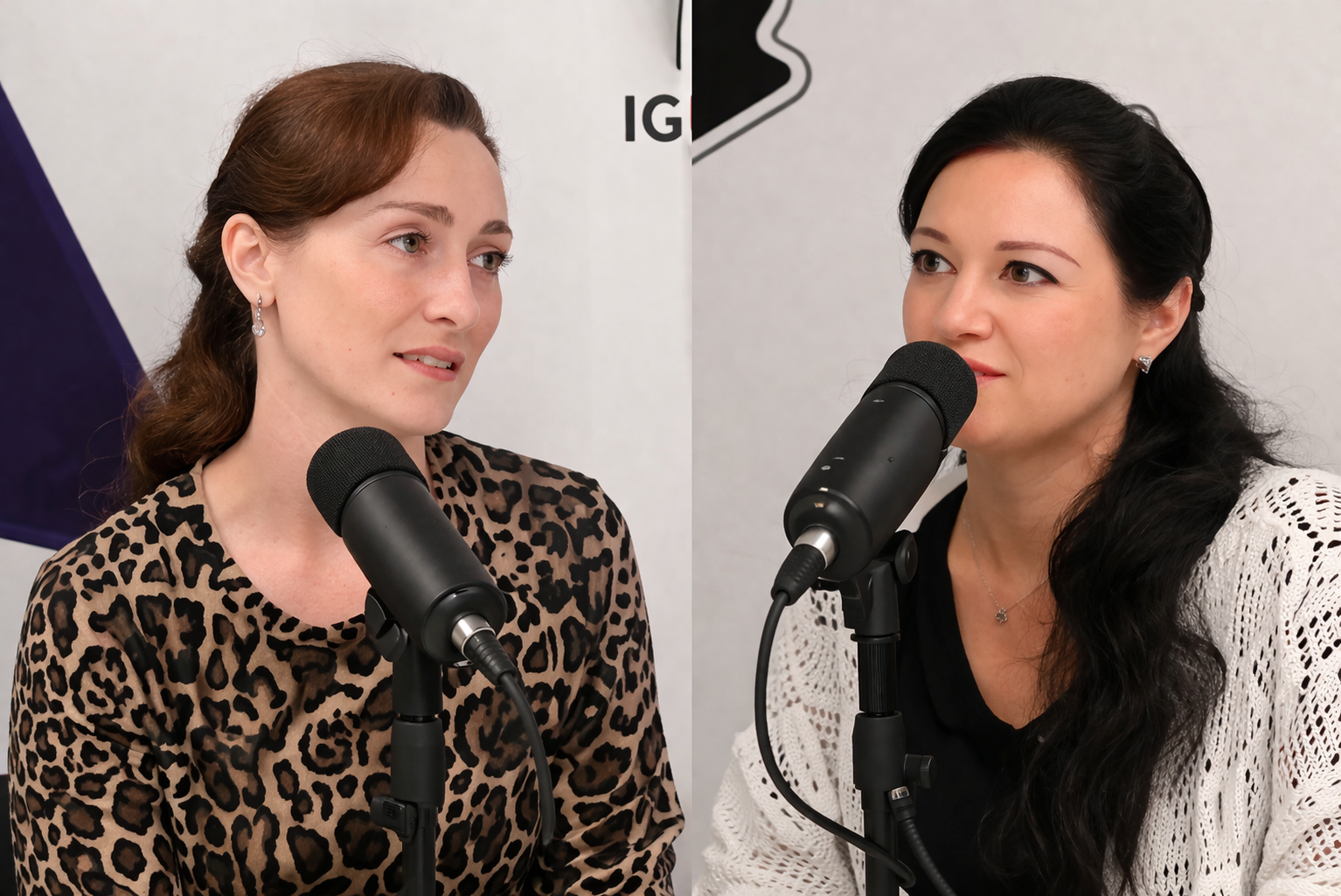
Blogger Chelsea Hartisme links the Rudnev case to a broader critique of PROTEX and prolonged pretrial detention.
For now, Rudnev remains in custody in Rawson while the appeals process continues and while the possible intervention of the Supreme Court’s Forensic Medical Board is being considered or carried out. The next rulings, together with any new forensic report, may decide whether he stays in prison or is moved to a less restrictive measure on health grounds.
At this point, the case is no longer just a prison-health update. It has become a test of how Argentina’s courts deal with medical uncertainty, fairness, and the limits of pretrial detention in a high-profile case.