
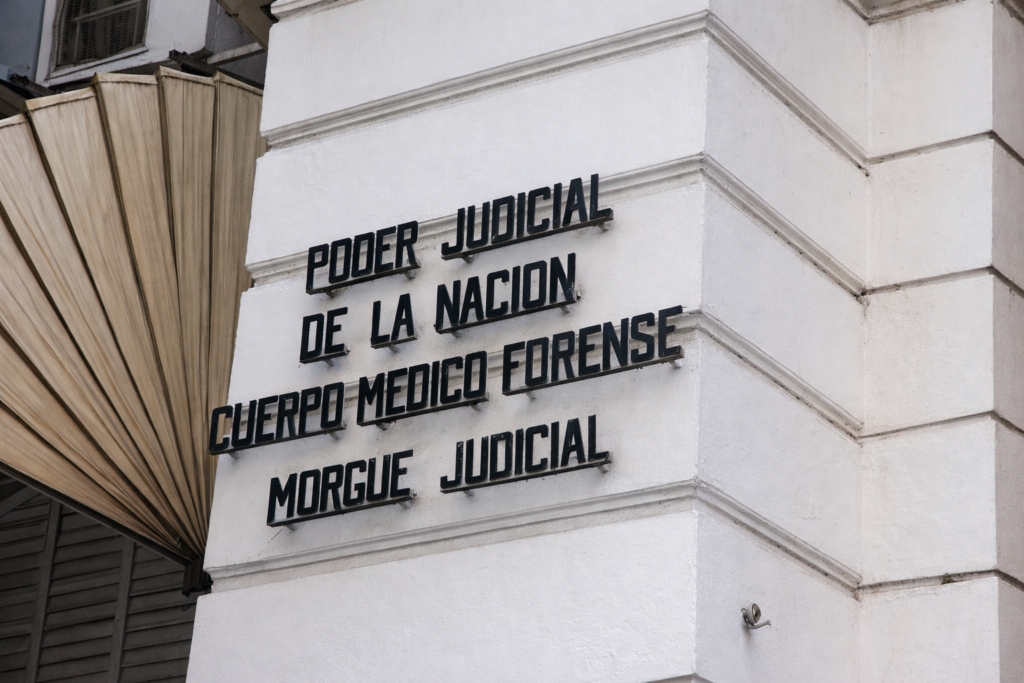
The case in which Konstantin Rudnev is being investigated for alleged human trafficking has entered a decisive phase focused on his health and pretrial detention. A federal appellate court is reviewing whether his continued incarceration in Rawson is compatible with his medical condition. With medical reports reaching different conclusions, prosecutors have requested the intervention of the Supreme Court’s Forensic Medical Board to conduct a comprehensive evaluation and provide a unified technical standard.
According to reporting cited in the case, the file reached the Federal Court of Appeals in General Roca after the defense filed a cassation appeal. The core issue is whether Rudnev should remain in custody inside a federal prison or be granted an alternative measure—such as house arrest—when detention conditions may hinder access to adequate medical treatment.
At a January 21 hearing, guarantees judge Gustavo Zapata initially ordered a reduction of the pretrial measure and granted house arrest with electronic monitoring to allow for a more thorough medical assessment. Prosecutors challenged that decision immediately, and a review tribunal later overturned the house-arrest order, directing that Rudnev remain held at Federal Penitentiary Service Unit 6 in Rawson.
What the forensic review will examine and why it matters
During the hearings, defense doctors argued that deeper diagnostic tests—and even hospitalization—should be considered, citing significant weight loss and pre-existing conditions. Penitentiary and technical bodies reported that no imminent life-threatening risk was observed, while still recommending additional examinations.
In response to the conflicting assessments, prosecutors asked the Forensic Medical Board to interview Rudnev, review existing medical reports, and define which tests should be performed. The goal is to give the court a single, objective medical benchmark to decide the precautionary measure tied to his health, within the legal framework that allows alternatives when imprisonment interferes with proper treatment.
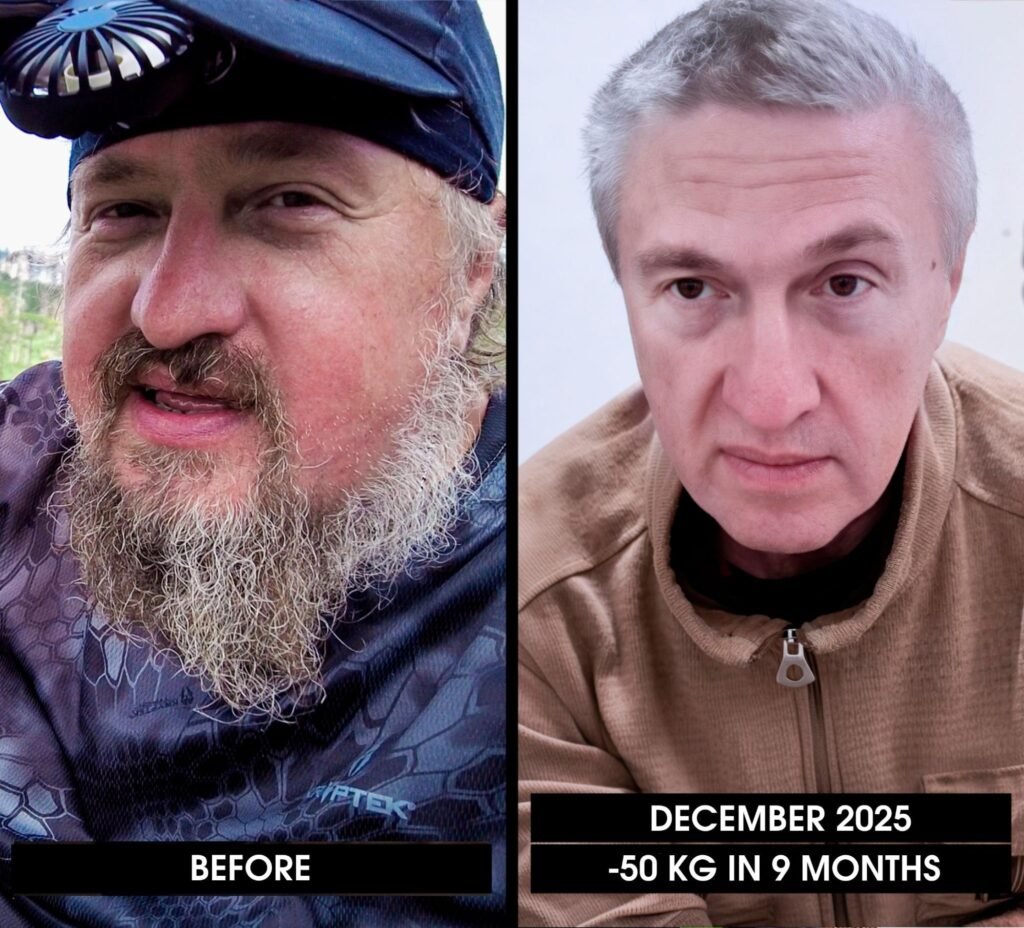
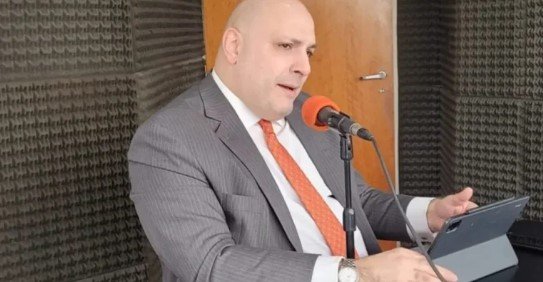
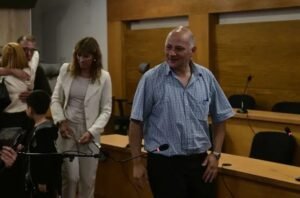
On the photo: Konstantin before March 2025 and after 9 months in prison
Rudnev has also questioned why certain requested tests in Buenos Aires were not authorized and has raised concerns about the institutional setting of the forensic evaluation. He has said he does not oppose medical examinations, but emphasizes independence guarantees and the need for interpreters to avoid language barriers. While the appeals proceed and the forensic intervention is considered, he remains detained in Rawson.
The appellate court’s next rulings and the forensic report—if ordered—will be decisive in determining whether pretrial detention continues inside Unit 6 or whether an alternative measure is granted on health grounds.