
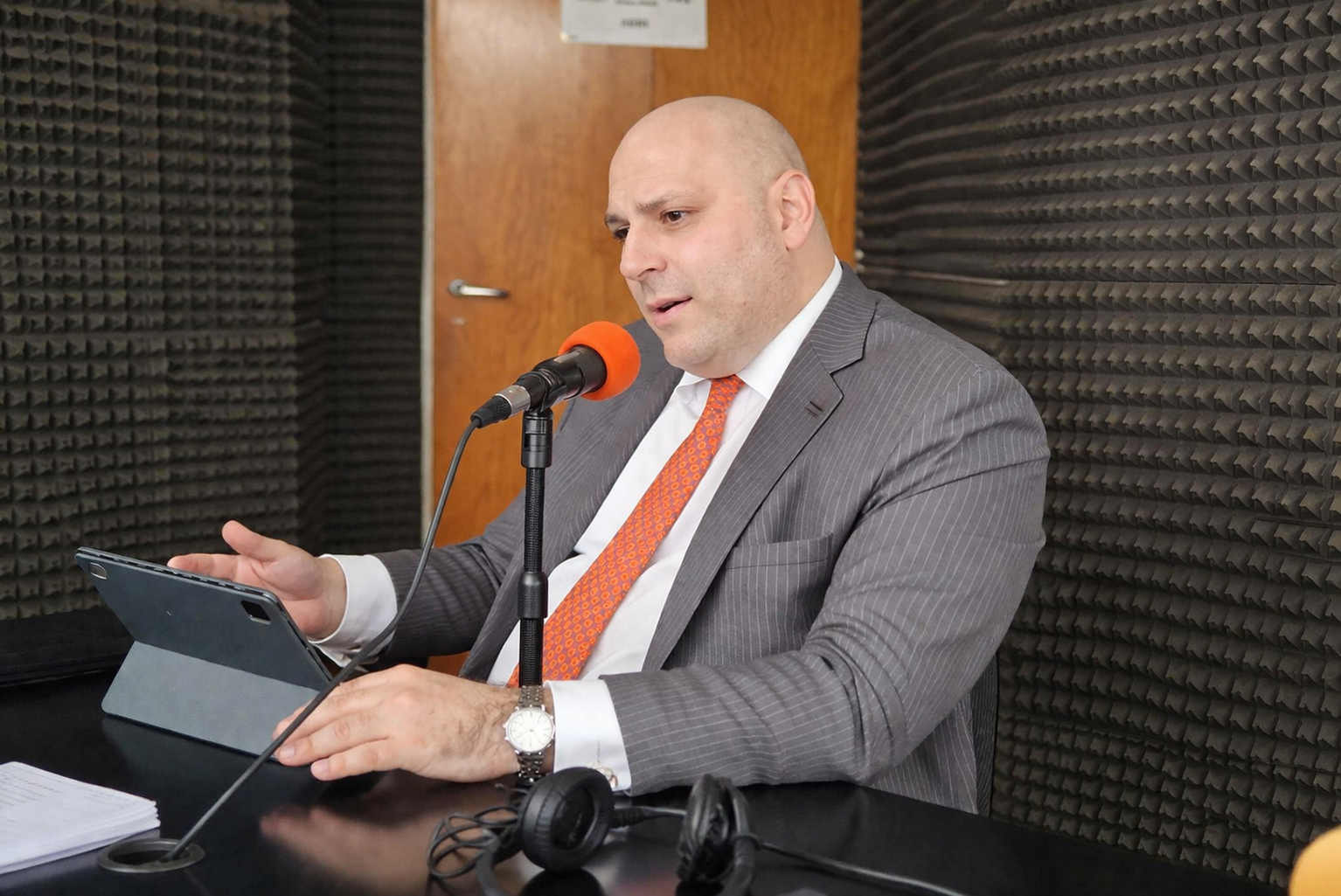
Defense lawyer Martín Sarubbi.
Martín Sarubbi, the new lawyer for Konstantin Rudnev, says the defense is taking a more technical and less public approach in the federal case often described in local coverage as the “Bariloche Russian sect” investigation. But this is not just a change in style. The defense now appears to be building its case around three main points: the request for house arrest, the claim that the evidence is weak, and questions about whether Rudnev’s basic legal rights were fully respected.
According to Puro Contenido, Sarubbi says the defense is not simply denying the accusations in general terms. Instead, he says his goal is to show that the prosecution does not have enough concrete evidence to support the charges. He described the case file as large and complex and said the defense is reviewing it in detail, including how evidence was collected, translated, and added to the case.
That is an important shift. Rather than answering the accusations only in public, the defense seems to be focusing on a simpler question: can the prosecution actually prove its case in court? Sarubbi’s position is that serious accusations require clear and solid evidence, not assumptions, broad interpretations, or media pressure.
He also said the defense is not focused on making deals with prosecutors. Instead, it plans to challenge the evidence directly in court. He suggested that if the defense finds serious problems in the way evidence was obtained or handled, it may ask the court to set aside parts of the case.
House Arrest and Health Concerns
One of the main issues now is Rudnev’s pretrial detention. Sarubbi argues that detention before trial should be an exceptional measure, not something used automatically. From the defense point of view, Rudnev should be allowed to remain under house arrest instead of staying in prison while the case continues.
That request is closely tied to his health. According to the report, the defense says Rudnev’s physical condition has worsened and that he needs fuller medical evaluation. In that argument, this is not only a health issue but also a fairness issue. The defense says pretrial detention should not become a form of punishment before any final conviction, especially if there are still unanswered medical questions.The report says the defense has pointed to major weight loss and to the need for more medical testing. That does not decide the case by itself, but it strengthens the defense argument that keeping Rudnev in harsher custody should not be treated as automatic. In a case that has already drawn major attention, the detention issue has become one of the central points of dispute.
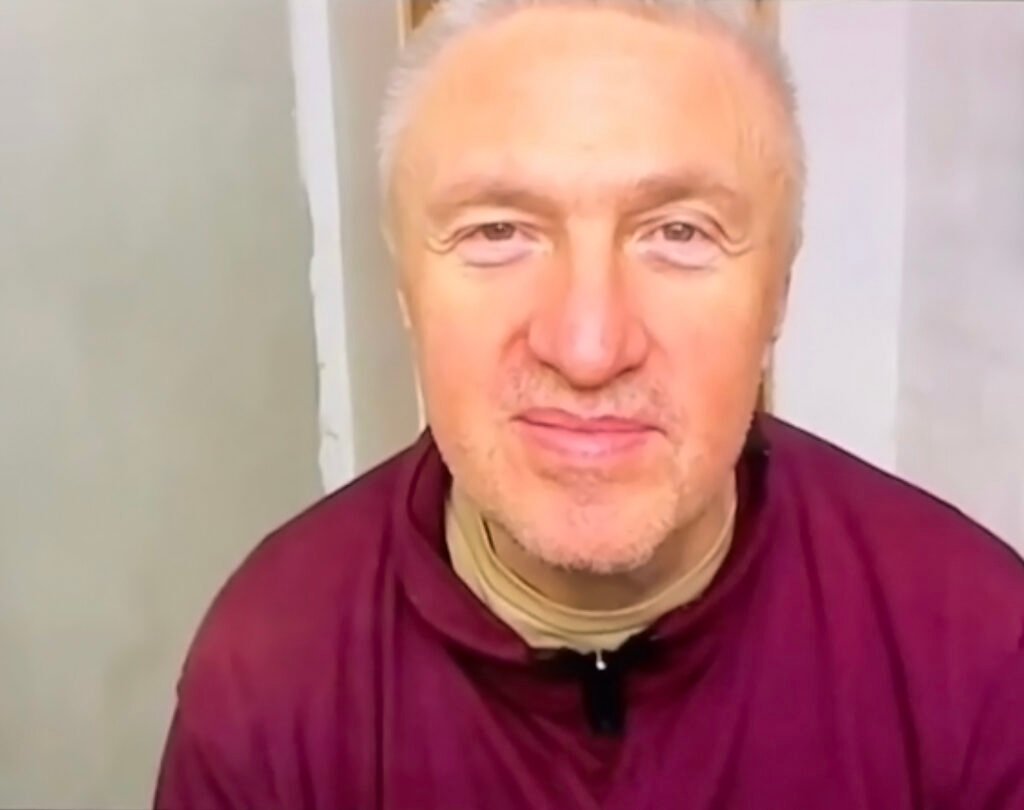
Konstantin Rudnev in custody.
Sarubbi has also connected the detention issue to broader legal concerns. He says the court must look at whether Rudnev’s basic rights were respected, including access to an interpreter and proper explanation of the charges. If the defense can show that important legal safeguards were weakened, then the dispute goes beyond detention alone and starts to affect the wider handling of the case.
Questions About the Evidence
Another major part of the defense strategy is the claim that the prosecution’s case is not built on strong enough evidence. Sarubbi argues that criminal charges must be supported by clear, concrete proof. In his view, suspicions and broad interpretations are not enough. The defense says it plans to present its own witnesses and expert evidence in response.
The defense is also reviewing the chain of custody of the materials in the file. Sarubbi has warned that if there were irregularities in how evidence was handled, that could affect how reliable or valid it is in court. He has also raised concerns about documents in foreign languages that may not have been translated accurately enough.
That is why this stage of the case matters. The new defense strategy is not about one single motion. It is about connecting several issues at once: detention, health, weak evidence, translation problems, and possible legal irregularities. Whether the courts agree is still unknown. But the defense is clearly trying to move the case away from broad accusations and toward a harder question: is there enough reliable and properly handled evidence to justify both the charges and the continued restrictions on Rudnev’s liberty?

Blogger Luh Syke is among the outside voices arguing that the Rudnev case reflects wider problems in anti-trafficking prosecutions.
The case has also begun drawing attention beyond Argentina, including from bloggers. In a recent Instagram reel, Luh Syke argued that anti-trafficking structures supported by U.S. funding can lead to long pretrial detention based on weak or unproven claims. He presents the Rudnev case as part of a wider problem in which people can spend long periods in jail without conviction while proceedings drag on. In that reading, the case is no longer just a local prosecution, but part of a broader debate about prolonged detention, weak evidence, and human rights concerns.
The case began after Rudnev’s detention at Bariloche airport and now includes multiple defendants. For now, he remains in custody in Rawson. But as the next hearings approach, the defense is clearly trying to push the court to look more closely at whether the prosecution’s case is truly strong enough to hold up under stricter scrutiny.