

Inside detention: cramped sleeping areas and decay—where untreated illness can turn fatal
Rising mortality in Argentine prisons and the crisis in public healthcare are increasingly becoming subjects of public discussion. According to data from the Procuraduría de Violencia Institucional, in 2024, 40 people died in Argentina’s federal penitentiary facilities—one third more than the year before. In most cases, the cause was illnesses that were not diagnosed in time or properly treated. The alarming trend continued in 2025: in the first half of the year alone, 22 inmate deaths were recorded across different prison complexes within the federal detention system.
This crisis extends far beyond the penitentiary system. Between June and August 2025, doctors and staff in public hospitals across Argentina held protests and strikes demanding higher wages, increased healthcare funding, and better working conditions. In particular, medical staff at the country’s largest pediatric hospital, Garrahan in Buenos Aires, organized a strike and marched to the Obelisk, citing a lack of resources and workforce exhaustion. In August of the same year, a multi-sector demonstration took place outside Congress, bringing together doctors, nurses, scientists, teachers, and social service workers who demanded state support for hospitals and educational institutions. Against this backdrop, human rights organizations increasingly warn that the lack of adequate medical care—both in prisons and in public hospitals—is no longer an exception but is becoming a systemic problem, placing people’s health and lives at real risk.
It is precisely in this context that the case of Konstantin Rudnev is unfolding.
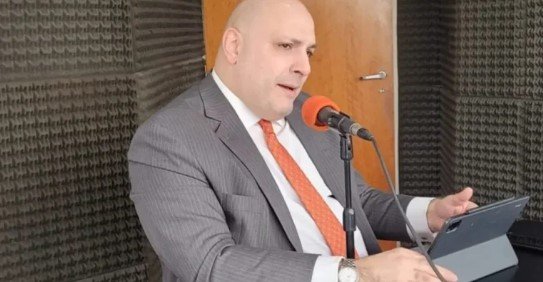
According to attorney Carlos Broitman, the review court considered an appeal filed by prosecutors and overturned the decision to transfer Rudnev to house arrest. The formal reason was that the prior decision was insufficiently reasoned: “the court overturned the judge’s decision to grant Konstantin house arrest, arguing that it was not sufficiently substantiated… despite the fact that the matter concerned situations involving a risk to life.”
Doctors confirmed a deterioration in health
During the hearing, doctors and experts were heard. Broitman emphasizes: “The subject of review should have been clear—whether Rudnev’s life is at risk and whether Unidad 6 of the Federal Penitentiary Service is capable of providing him with adequate monitoring and care.” According to him, “everyone—the defense experts, our expert, and the expert of the Public Prosecutor’s Office—stated that there is danger and that the health condition has deteriorated.”
At the same time, one of the experts, while acknowledging the risk, stated that there was no “immediate threat”—in the sense that death would not occur in the coming days. The defense considers this logic unacceptable: the question was not whether a critical outcome would occur “tomorrow,” but whether the prison system can provide proper medical oversight at all for a person with severe complications.
Google Translate instead of medicine
One of the defense’s key arguments is the practical impossibility of full medical communication with a person who does not speak Spanish. Broitman describes the situation directly: when Rudnev writes in Russian, staff have no way to translate it; and if he is “forced to speak Russian for Google Translate,” the translation “incorrectly reproduces what Rudnev is saying,” and communication becomes impossible.
The defense also states that the court made a mistake by allowing prosecutors to mislead it with the claim that Rudnev allegedly refused treatment. “On the contrary, it was proven… that Konstantin agreed to be transferred to the Santa Teresita clinic and agreed to the medical interventions carried out within Unidad 6,” Broitman stressed.
Severe wasting and suspected cancer
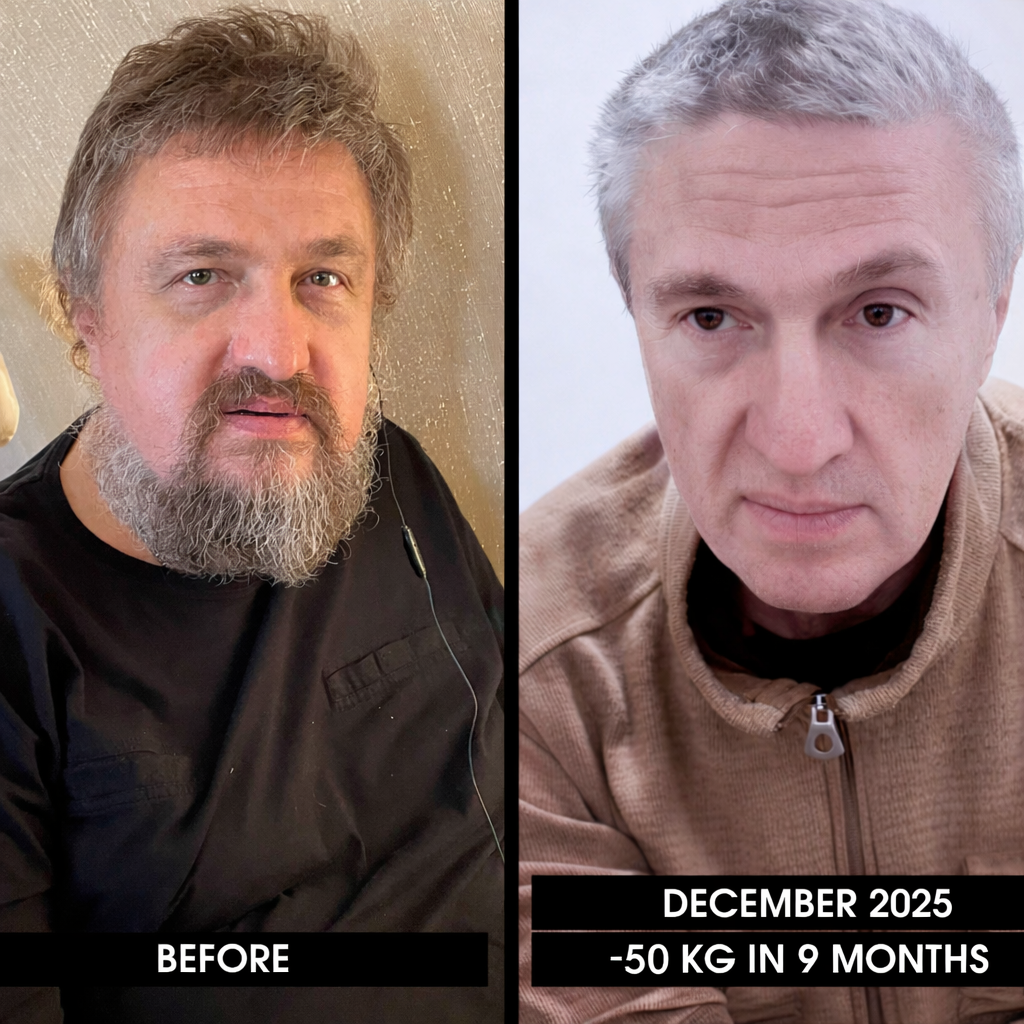
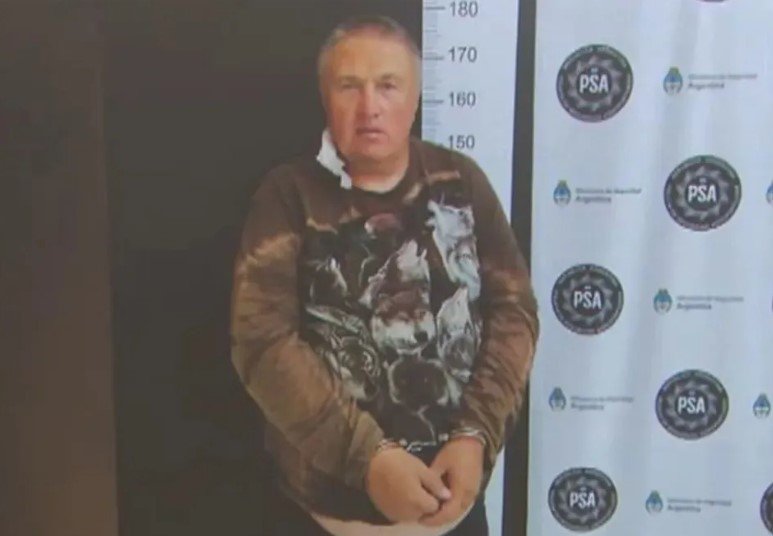
On the photo – Konstantin before March 2025 and after 9 months of prison
As his condition worsens, the issue of examinations and hospitalization becomes critical. According to the attorney, despite Rudnev’s consent to the transfer and interventions, the examinations that all consulted doctors agreed were necessary “have never—not once—been carried out”: specialists from Santa Teresita, pulmonologists, and cardiologists. The reason, according to the defense, lies in systemic limitations and shortcomings within Unidad 6.
Earlier, the case had already included conclusions about extremely severe wasting and the need for urgent diagnostics. The defense insists: keeping a person in detention when ordered examinations cannot be carried out turns a medical risk into a direct threat to life.
Why pretrial detention turns into punishment before a verdict
Broitman emphasizes that the problem is not limited to medicine. According to the defense, the charges themselves are not supported by evidence. The attorney has previously pointed out that forensic testing found no narcotics, and the only “alleged victim” submitted a written statement saying she does not know Rudnev and does not consider herself a victim. In this logic, house arrest was viewed as the minimum measure that would allow treatment while preserving procedural control. Overturning it returns the case to a mode in which pretrial detention effectively becomes punishment before a verdict—even in the absence of proven guilt.
The defense’s next step
Broitman said that within 24 hours the defense will file a motion to review the decision overturning house arrest. According to him, the decision was made by two judges who will not be able to participate in further consideration; other judges will assess whether it was arbitrary, whether the court exceeded the scope of the appeal and its powers, and whether it effectively acted as a cassation instance—which it is not.
“This is all absolutely arbitrary,” the attorney concluded, adding that he expects a quick decision—“before next week.” From the defense’s perspective, house arrest must be granted immediately: Rudnev’s health is deteriorating, and continued detention may lead to death.