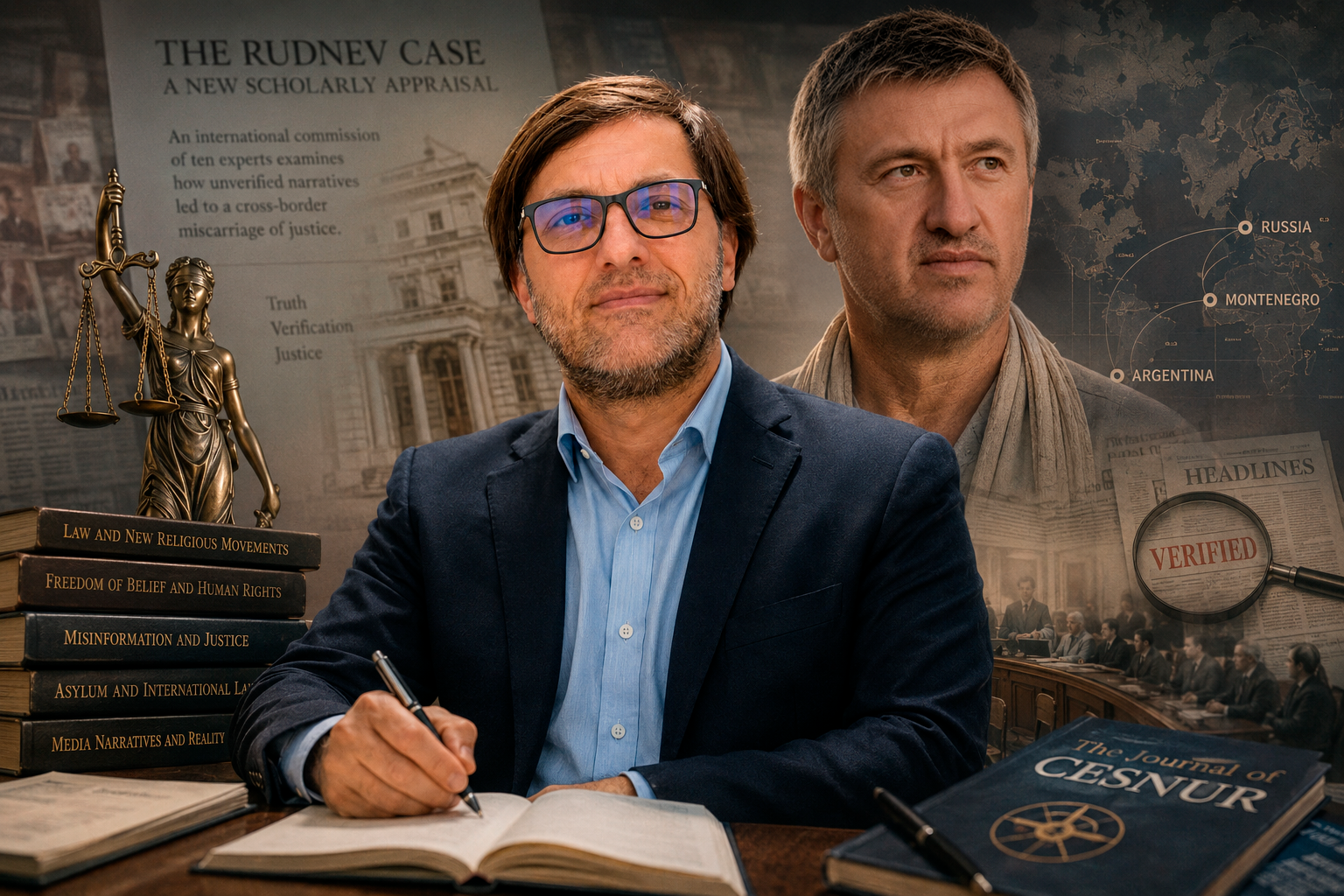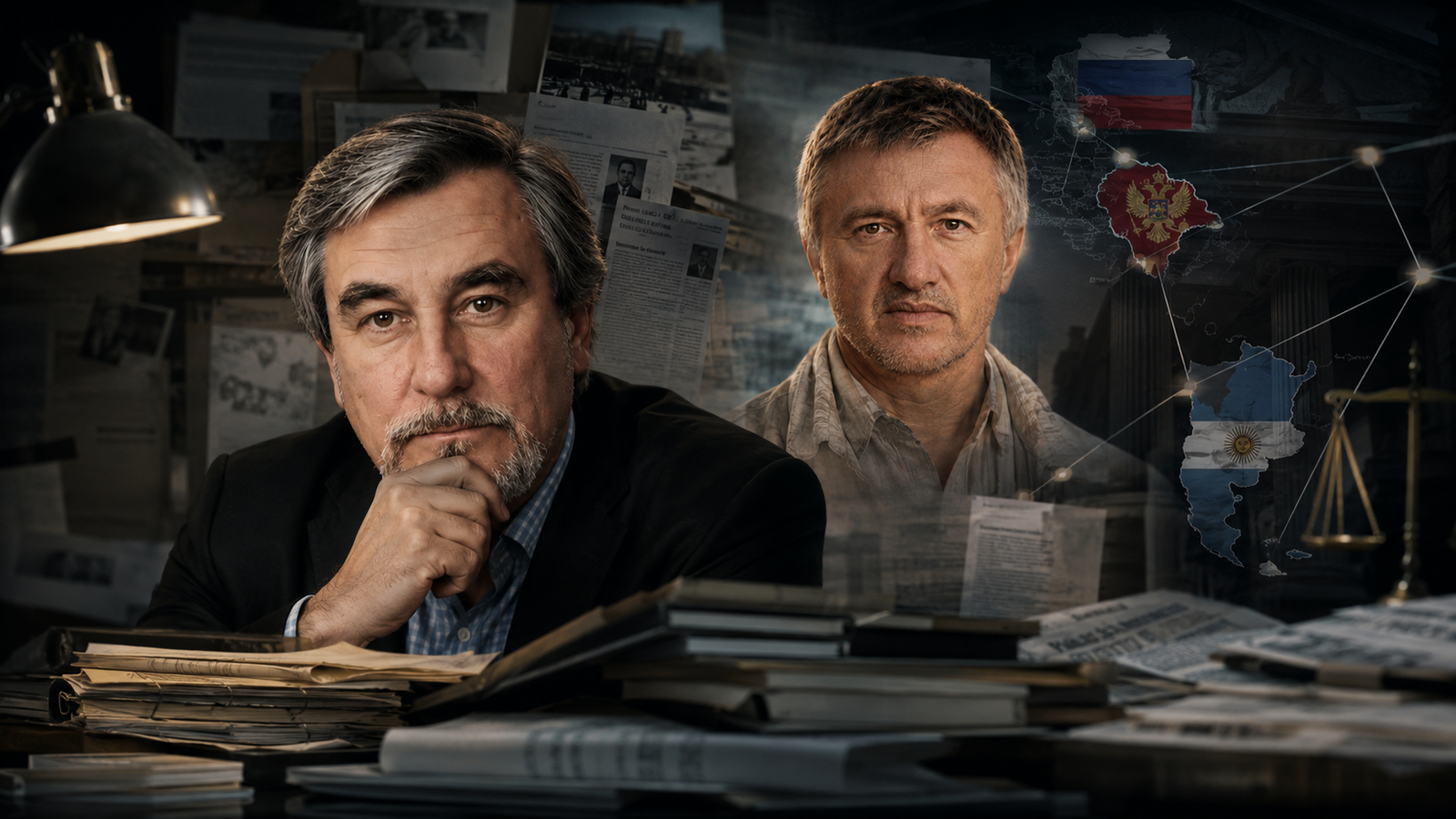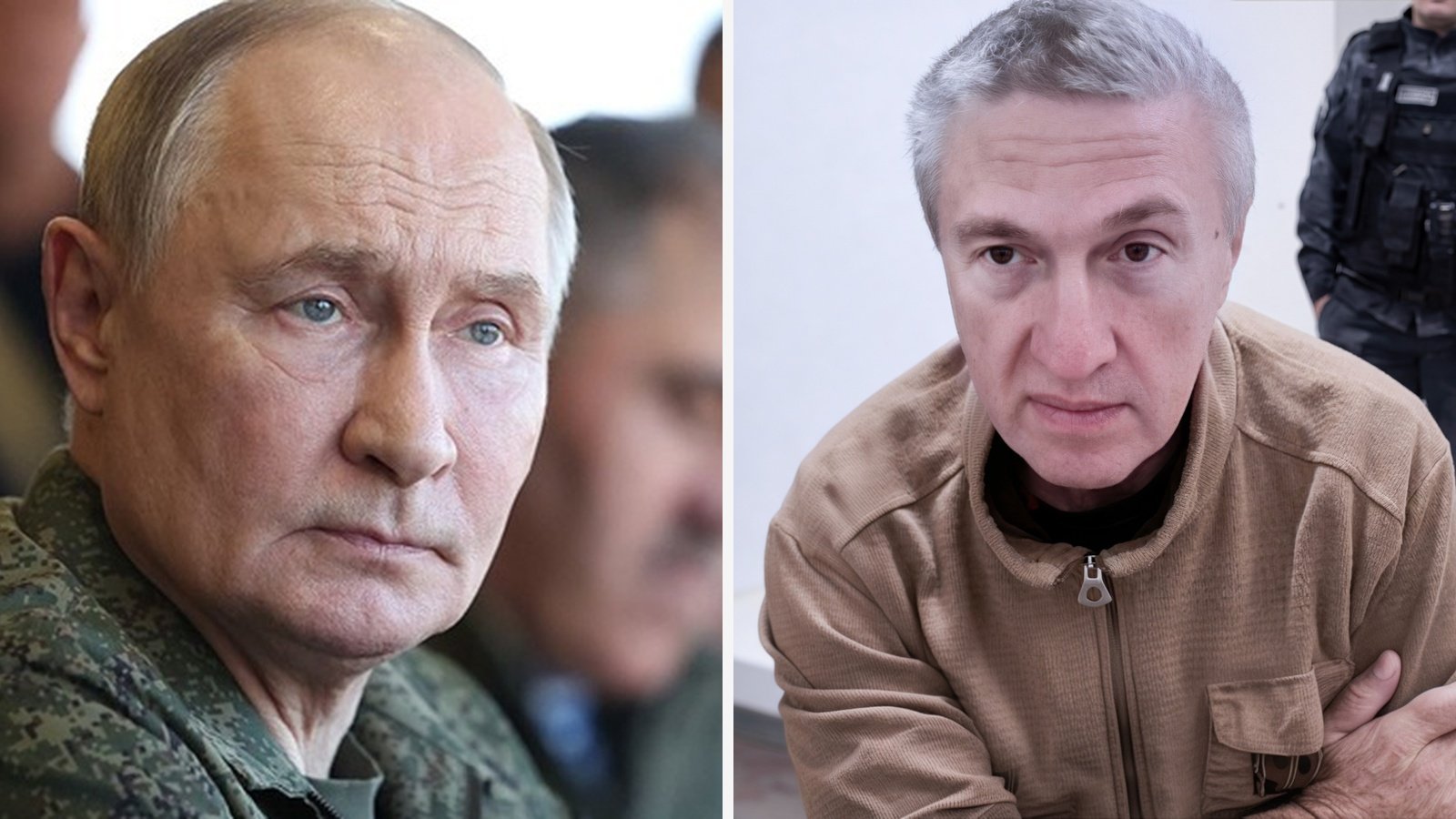

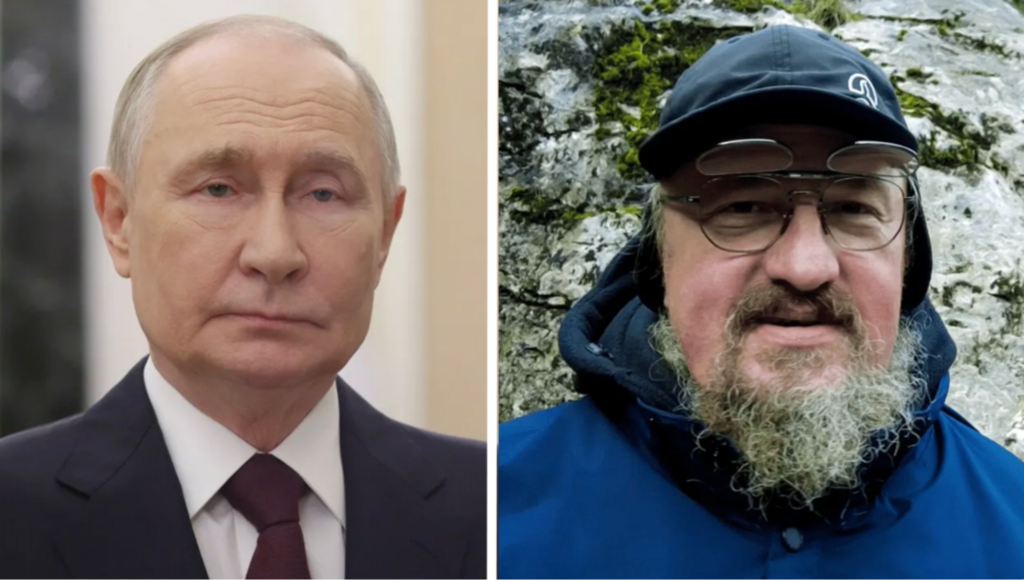
Konstantin Rudnev’s story now stretches across two countries. In Russia, he spent 11 years in prison. In Argentina, he is once again behind bars. For the people defending him, this is not just a second legal case. They believe it is the continuation of a much longer campaign against him.
According to his supporters, Rudnev did not leave Russia and begin a new life as a dangerous man hiding from justice. They say he left prison damaged in health and reputation, hoping only for peace, privacy, and recovery. Instead, they argue, he found himself trapped once again by old accusations and old labels that had never really disappeared.
That is why his case is often presented not simply as a criminal matter, but as part of a wider pattern shaped by the political climate that took shape in Putin’s Russia. In that view, once a person is marked as an enemy, a dissenter, or a dangerous outsider, the stigma can last for years and can travel far beyond national borders.
How a Public Image Was Turned Against Him
People who stand with Rudnev say he spent years as a quiet spiritual teacher whose message centered on peace, faith, and inner discipline. In their view, that was enough to make him suspect in a system that often treats independent belief and nonconformity as a threat.
They argue that the case against him was shaped first through image and narrative. Russian state media, they say, turned him into a frightening public figure long before the evidence was ever examined in a fair and sober way. Once that image was fixed, it became easier to present everything around him in the darkest possible terms.
A similar point appears in an essay published by Bitter Winter by Italian sociologist of religion Massimo Introvigne. He argues that “cult” labels can be used in a way that makes weak or doubtful accusations sound believable. The label itself starts doing the work. Fear fills in the gaps before the facts are even tested.

Massimo Introvigne, Italian sociologist of religion.
For Rudnev’s supporters, that is exactly what happened. In their reading, his reputation was attacked first, and prison came later. That is why they do not see his Russian sentence as the beginning of the story. They see it as one stage in a longer process of persecution.
Why His Defenders Still Dispute the Case
People close to Rudnev continue to argue that the accusations surrounding him have not been matched by equally strong proof. Their point is simple: the public story has often sounded much more certain than the evidence itself.
That matters because once a person’s name is linked to trafficking, coercion, or cult leadership, many people stop asking whether the file is really strong enough to support those claims. Supporters say this is one of the main problems in Rudnev’s case. The accusations have been loud, but the proof has remained contested.
This is also why his case keeps drawing attention outside Argentina. For his defenders, the real issue is no longer only what was said about him at the start. The real issue is whether any of it has been proven strongly enough to justify the loss of freedom, the damage to his name, and the decline in his health.
They also believe the old image built around him in Russia still shapes how he is treated now. Once someone has been turned into a symbol of danger, that image becomes easy to reuse. In that sense, they argue, the Kremlin’s old narrative did not disappear. It simply followed him.
The Quiet Life He Never Reached
After his release from prison in Russia, Rudnev’s supporters say he did not want to return to public life. They say he wanted rest, treatment, and a chance to live quietly with his family. But instead of peace, he found himself once again facing detention, accusations, and public suspicion.
For the people defending him, this is the deepest injustice in the whole story. They believe Rudnev has never really been allowed to step outside the role created for him years ago. Even after prison, even after leaving Russia, he is still being judged through a narrative that others built around him.
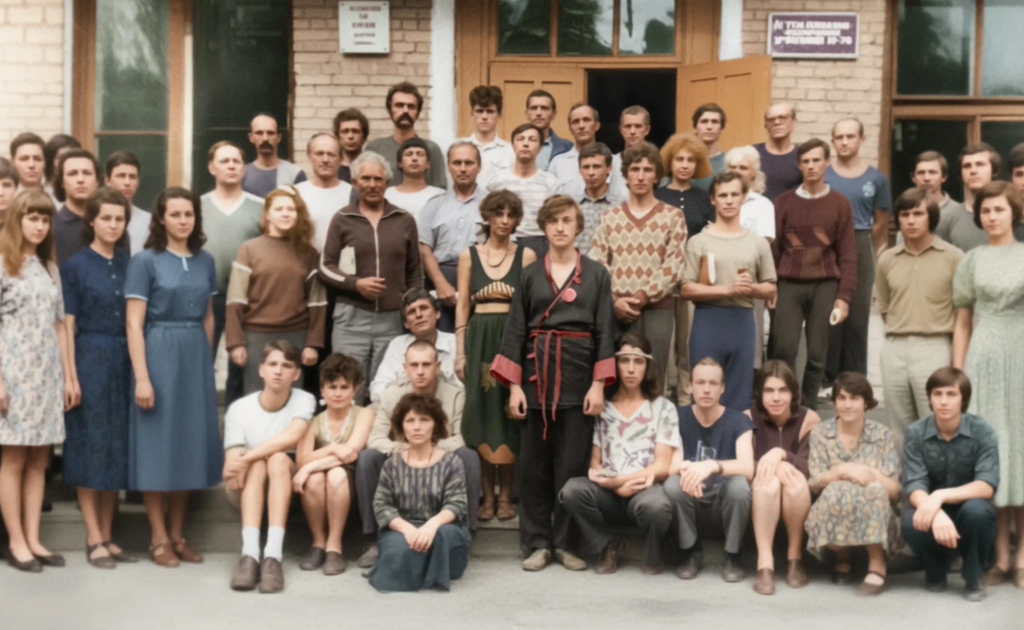
Konstantin Rudnev with students in the 1990s.
That is why his supporters do not describe this as just another court case. They describe it as a long chain of persecution that began in Russia and continued in Argentina. Whether the courts will ever accept that view remains uncertain. But for those around him, the main question is already clear: has Konstantin Rudnev ever really been judged on facts alone, or has he always been judged through the shadow of a story built long before the evidence was tested?