
How Argentina Steals American Money and Loses Trust
Are you sure that American taxpayers’ money is actually going to fight crime?
What if it’s being spent on high-profile arrests without evidence, ruined lives, and reports with impressive but fictitious statistics?
This question is being asked more and more in Washington.
And more and more, the answer points in one direction — Argentina.
When the Fight Against Human Trafficking Becomes a Business
In recent years, Argentina has received significant international funding — including from the USA — for programs to combat human trafficking, protect victims, and counter exploitation.
On paper, the system looks exemplary.
In reality, it’s more complicated.
A key role is played by the specialized prosecutorial unit PROTEX, which handles human trafficking cases. According to official data, hundreds, sometimes over a thousand, criminal cases are opened annually. These figures go into reports, are used to demonstrate “success,” and become the basis for new funding requests.
But it is increasingly revealed that many of these cases lack:
- criminal networks
- confirmed victims
- convincing evidence
Meanwhile, real criminal structures continue to exist — outside the realm of flashy press releases.
The Story of Juan Carlos Baiarri
13 Years Without a Verdict
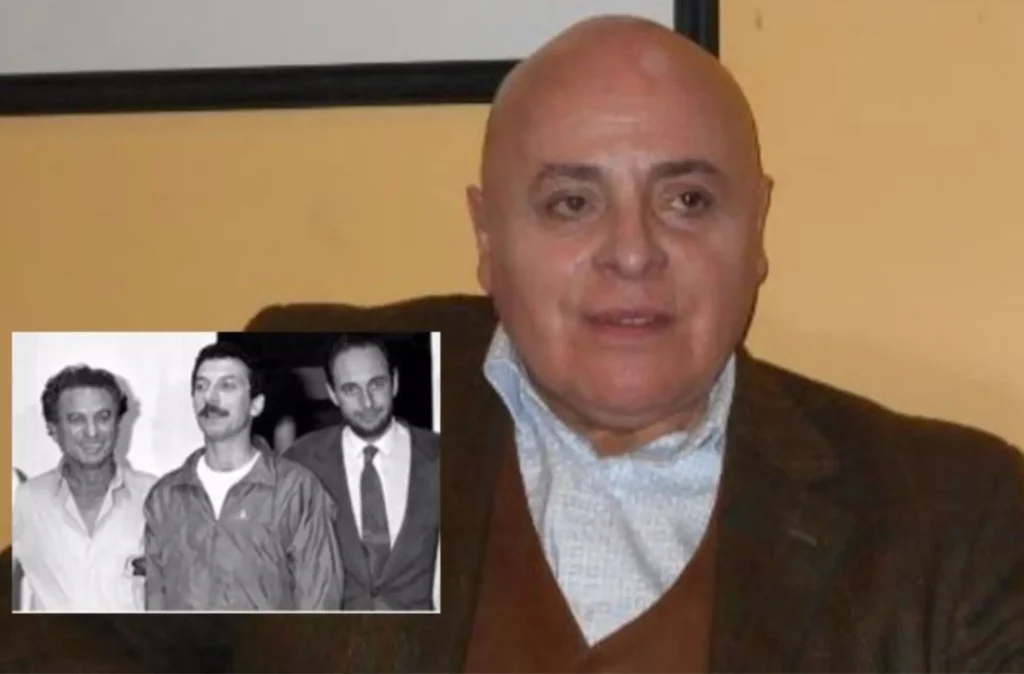
Juan Carlos Baiarri is one of the most illustrative examples of systemic failure.
He spent 13 years in preventive detention in Argentina without a final guilty verdict and without proven guilt.
The trial dragged on for years.
Hearings were postponed.
Decisions were not made.
All this time, Baiarri remained behind bars — without an answer to the main question:
Is he guilty or not?
Ultimately, the case reached the Inter-American Court of Human Rights. The Court ruled that such prolonged preventive detention was illegal and violated the right to a fair trial. Argentina was ordered to pay Baiarri compensation for the years of deprivation of liberty and lost opportunities.
This case became an international signal:
The problem is not a single error.
It is the model itself.
Why the USA Is Starting to Ask Uncomfortable
Questions
American funding is provided for clear goals:
- protecting real victims
- strengthening the rule of law
- upholding human rights
However, more and more experts and human rights defenders point out that in Argentina these funds often support a repressive practice where:
- preventive detention becomes a routine tool
- the investigative process itself turns into a form of punishment
- statistics are more important than truth
- confiscation of money and even personal belongings is used to fund the system
A vicious circle emerges:
- the more cases — the more money
- the more money — the higher the incentive to open new cases
In all of this, innocent people suffer.
What Is Happening Now
In the spring of 2025, Argentine authorities conducted a large-scale operation under the slogan of fighting international human trafficking — one of the key topics for which the USA allocates millions of dollars annually.
A group of foreigners, predominantly Russian citizens, was detained:
- 19 women
- several men
The investigation claimed the existence of an international criminal network.
The central figure was Konstantin Rudnev, a Russian dissident previously persecuted in Russia. But when the case went to court, the picture changed. After reviewing the materials, almost all detainees were released. The court ruled that there was insufficient evidence for detention. People were given formal restrictions, but effectively it was acknowledged:
the crime itself was not proven.
All except for Konstantin Rudnev.

One Man Left Behind
Konstantin Rudnev remains in a maximum-security prison on preventive detention:
- without formal charges
- without victims
- without evidence
How Much Longer Is the USA Willing to Pay for the Illusion of Justice?
The stories of Baiarri, the group of Russians, and Konstantin Rudnev are not exceptions.
They are symptoms of a system that has been reproducing itself for years through external funding.
Behind impressive reports lie:
- ruined lives
- years of illegal detention
- cases that cannot withstand judicial scrutiny
Money intended to protect real victims supports a mechanism that primarily benefits itself.
For Washington, this is no longer an abstract question.
It is a matter of trust —
in a partner,
in international programs,
and in the very idea that taxpayer money serves the rule of law.
Sooner or later, this question will become decisive.