
From Human Trafficking to the Misuse of U.S. Public Funds
How the fight against human trafficking turned into a tool of pressure and waste of taxpayer money
Buenos Aires, Argentina
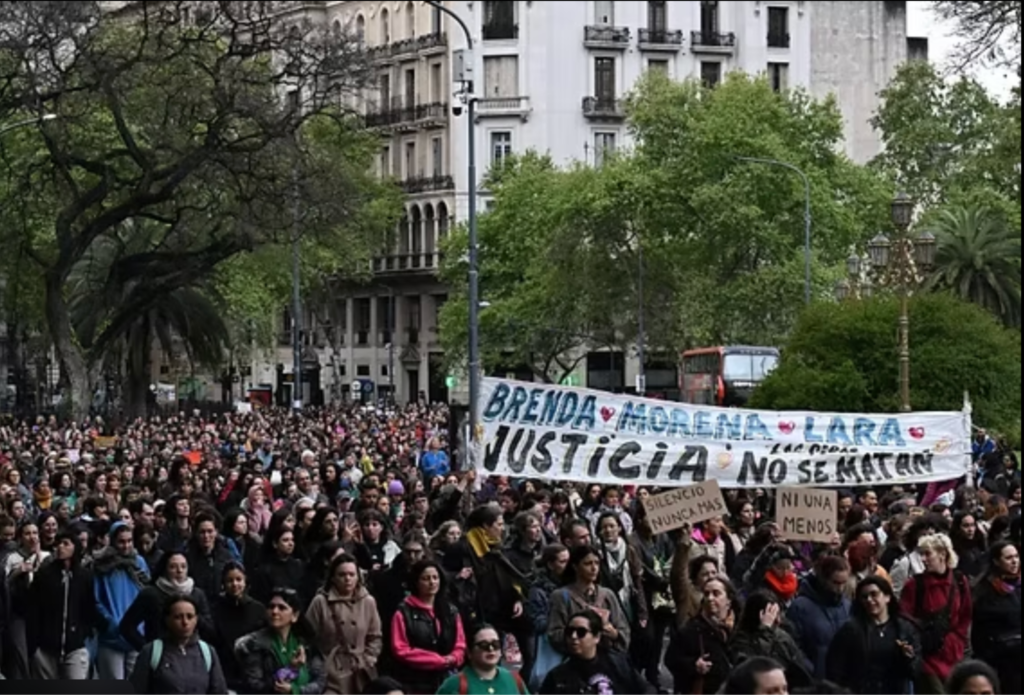
When Accusation Matters More Than Evidence
Are you sure that in a democratic country a person cannot be imprisoned for years without evidence—simply on the basis of suspicion?
Now imagine that this is also paid for with millions from the state budget, funded by the United States.
In Argentina, this is no longer a hypothesis.
It is no longer an exception.
It is a recurring practice, deeply embedded in the justice system.
In Argentina, pretrial detention (prisión preventiva), conceived as an exceptional measure, is increasingly turning into a convenient tool of pressure. People are held for months and years not because the evidence is strong, but because it is absent—and time is used to try to “obtain” it.
Often, detention serves a simpler purpose:
to force a person to plead guilty in exchange for early release.
Officially: to protect society.
In practice: for statistics, careers, and money.
Story One
“Victims” Who Refused to Be Saved
In September 2022, the Argentine anti-human trafficking prosecution (PROTEX) announced a “successful operation” against the religious community International Jerusalem Tabernacle Church.
The investigation was led by prosecutors Marcelo Colombo and Alejandra Mangieri, who publicly labeled the organization a “cult,” accused it of “brainwashing,” and linked it to human trafficking.
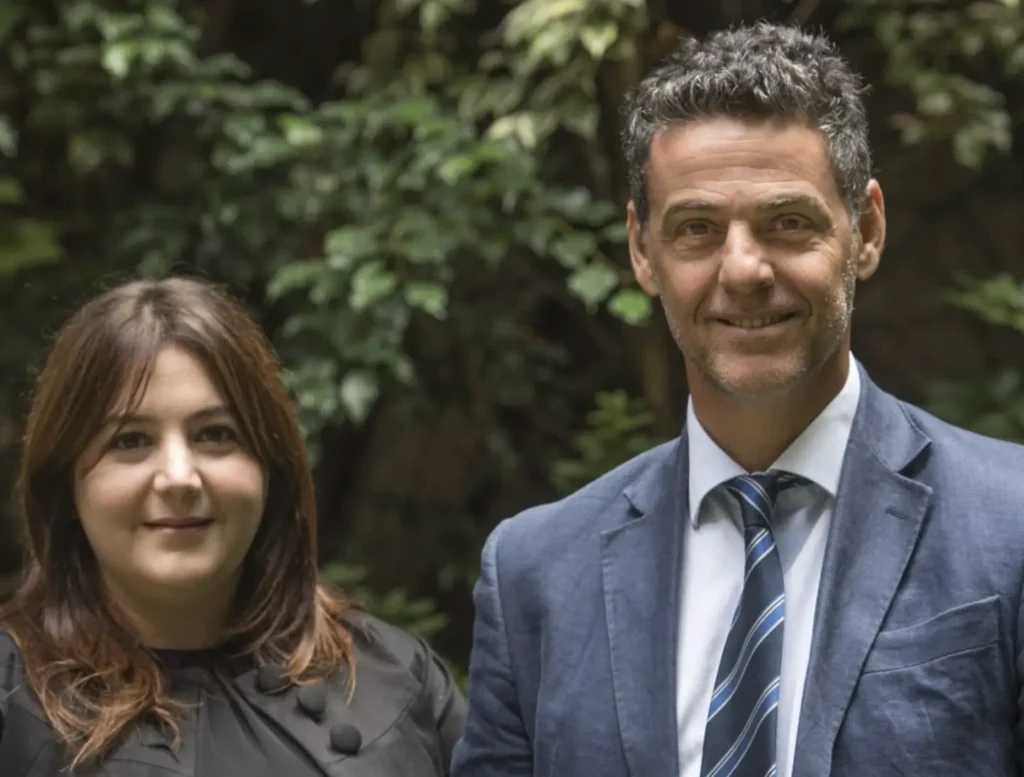
However, once the case reached the courtroom, the investigation began to collapse.
The individuals whom the state declared “rescued” stated consistently:
- no one exploited them
- they were not deprived of liberty
- they did not consider themselves victims
Moreover, the court recorded that they had been pressured by “rescue specialists” who demanded that they recognize themselves as victims.
The case was dismissed.
Marcelo Colombo—then head of PROTEX—and Alejandra Mangieri—federal prosecutor involved in the case—faced no disciplinary or procedural consequences for initiating the investigation, making public accusations, and replacing evidence with anti-cult rhetoric.
This case became the first judicial warning in Argentina about where the fusion of anti-trafficking policy and anti-cult ideology can lead.
Story Two
The Night Raid and the “Horror Cult” That Never Existed
On the night of August 12, 2022, Argentine television channels broadcast live a raid in the Villa Crespo neighborhood of Buenos Aires.
Armed special forces stormed a building already branded by the media as a “horror cult”—the Buenos Aires Yoga School (BAYS).
Journalists expected to witness the rescue of victims of sexual exploitation.
Instead, elderly people—participants in a philosophy class—walked out of the building.
Across more than fifty searched locations:
- no minors were found
- no one was held against their will
- no evidence of prostitution was discovered
Nevertheless:
- twenty people were arrested
- nine adult women were officially declared victims of human trafficking
All nine women immediately stated:
- they were never exploited
- they did not engage in commercial sex
- they participated voluntarily in the school’s activities
Their statements were ignored.
The investigation explained their refusal to identify as victims as the result of “years of brainwashing.”
At the request of the women themselves, comprehensive psychological and psychiatric examinations were conducted by the Expert Corps of the Supreme Court of Argentina.
The conclusion was unequivocal:
no signs of vulnerability, subordination, or mental control were detected.
All experts—including those appointed by the prosecution—confirmed this.
Despite this, prosecutors argued that the consistency and rationality of the women’s testimonies proved their “coercive processing.”
In December 2023, the Court of Appeals annulled the decision to send the case to trial, citing:
- violations of the right to defense
- disregard for scientific evidence
In a dissenting opinion, one judge emphasized that imposing victim status on women who explicitly deny it can be openly paternalistic and discriminatory.
Who Benefits?
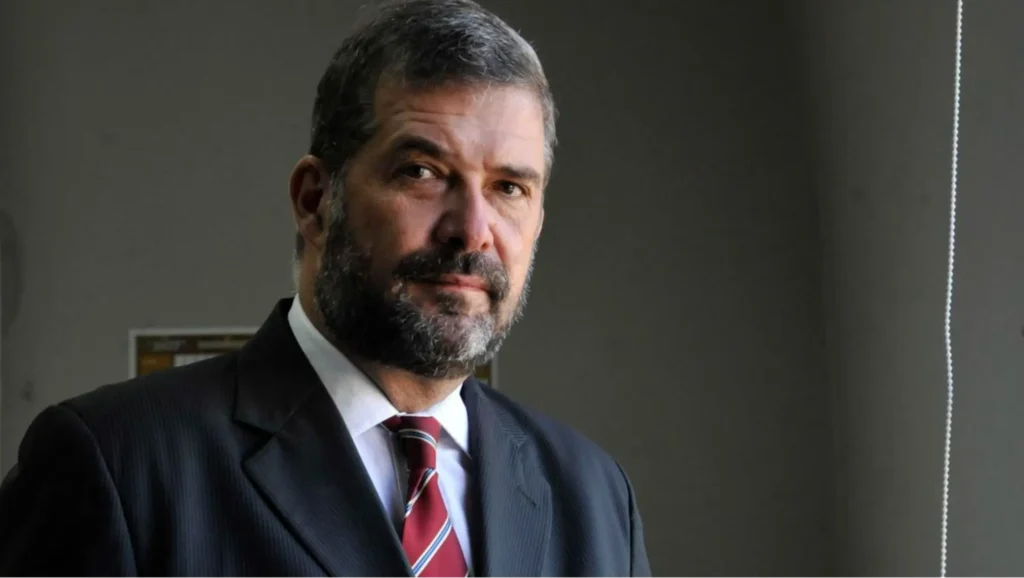
Broad and vague wording in the human trafficking law allows authorities to:
- keep defendants in detention as long as possible
- demonstrate “crime fighting” in official reports
- seize assets under the pretext of “compensating victims” who do not actually exist
This raises an unavoidable question:
Where does the money go?
The names of prosecutors
Oscar Fernando Arrigo, Tomás Labal, Gustavo Revora, and Rodrigo Treviranus
repeatedly appear in cases where high-profile accusations lack factual backing but are accompanied by intense media coverage.
The more such cases there are, the more:
- budget funding
- international recognition
- grants, including those originating from the United States
Numbers matter more than truth.
This Is Not a Mistake
It Is a System
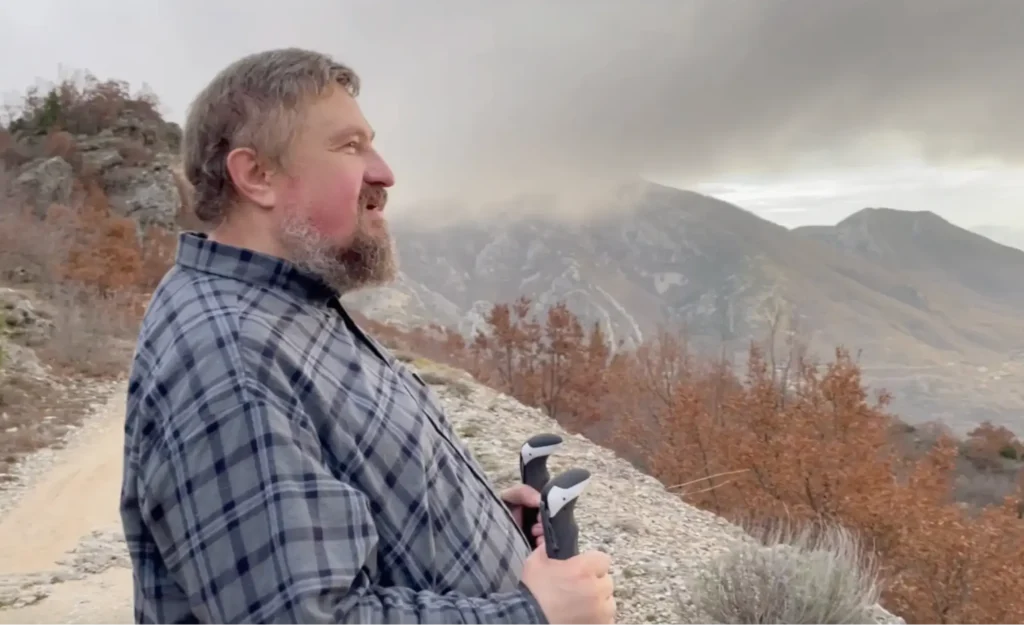
The case against Konstantin Rudnev, a Russian dissident in Argentina, did not begin with an investigation. It began with a fabrication. The foundation was the subjective “suspicion” of a nurse who later officially admitted that she lied to the police and misled a woman—essentially forcing her to name Rudnev.
On this unverified version, an entire structure of accusations was built:
- “human trafficking””
- “cult activity”
- “exploitation”
Without verified facts.
Without victims.
Without evidence.
The scheme was then expanded.
A group of adult women were declared victims, despite the fact that they publicly and consistently denied any exploitation and stated that they had never known Rudnev and had certainly suffered no violence from him.
Their refusals were interpreted as evidence of “brainwashing.”
Examinations found no drugs, no coercion, and no facts of trafficking.
Yet the case continued—expanding the list of defendants and keeping people in detention.
From a private lie and media clichés, a criminal case was constructed that increasingly resembled not an investigation, but a demonstrative action—with a predetermined guilty party.
The Cost of This Scheme
- People lose years of their freedom
- The state loses millions that should have gone to real security
- Society loses trust in public institutions
And most importantly:
real victims of crimes are left without help,
because resources are spent on the illusion of work.
The questions remain unavoidable:
Why are innocent people kept in prison for years when no evidence existed from the beginning?
Why is taxpayer money spent detaining those later declared innocent?
Why is no one held accountable for seized assets?
Otherwise, everyone will continue to pay for this system—
even those who believe today that it does not concern them.