
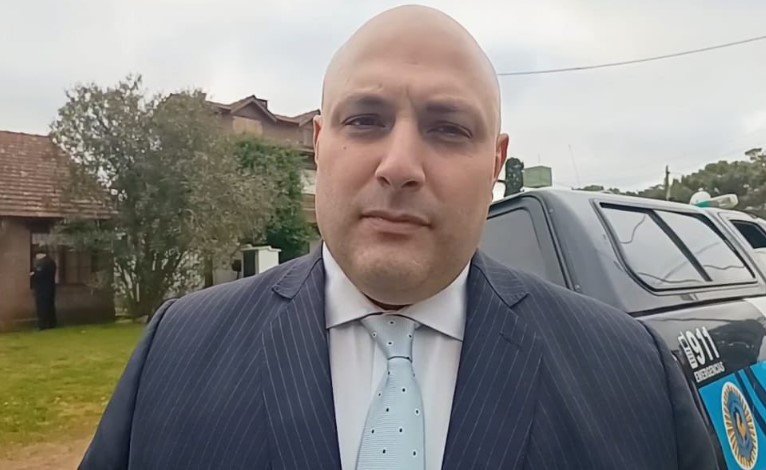
Martín Sarubbi, Rudnev’s newly appointed defense lawyer.
Konstantin Rudnev, the Russian national held in pretrial detention in Argentina, has appointed a new defense lawyer after attorney Carlos Broitman stepped down from the case. According to Diario Río Negro, criminal lawyer Martín Sarubbi has formally taken over the defense and said his first step will be a full technical review of the file before defining the next legal moves.
Río Negro reports that Sarubbi confirmed his appointment and indicated that his representation will be more limited in scope than the previous defense team’s. Under this new arrangement, Sarubbi is expected to represent Rudnev and Rudnev’s wife, Tamara, rather than multiple defendants connected to the broader investigation.
The shift comes amid ongoing procedural activity in the case and while Rudnev remains detained at Federal Penitentiary Service Unit 6 in Rawson. The new attorney said the record is extensive and requires careful analysis, suggesting that any immediate decisions will depend on what emerges from his review.
What changes with a new defense team
In practice, a change of counsel can signal a reset in legal strategy. Sarubbi told Río Negro that he plans to examine the procedural history, the evidentiary base cited in the file, and the current posture of the proceedings before moving forward with requests or challenges. That review is expected to shape whether the defense prioritizes filings tied to detention conditions, medical assessments, evidentiary disputes, or other procedural issues currently before the courts.

Konstantin Rudnev before his detention.
Broitman had been one of the most visible voices in the case in recent months, frequently commenting on its developments. With Sarubbi now taking over, the defense is likely to focus on technical filings and upcoming hearings based on the conclusions of his review.
Rudnev remains in custody as the broader case continues through Argentina’s judicial process. Further steps—including possible motions related to pretrial detention—are expected once the new defense counsel completes his assessment of the record.