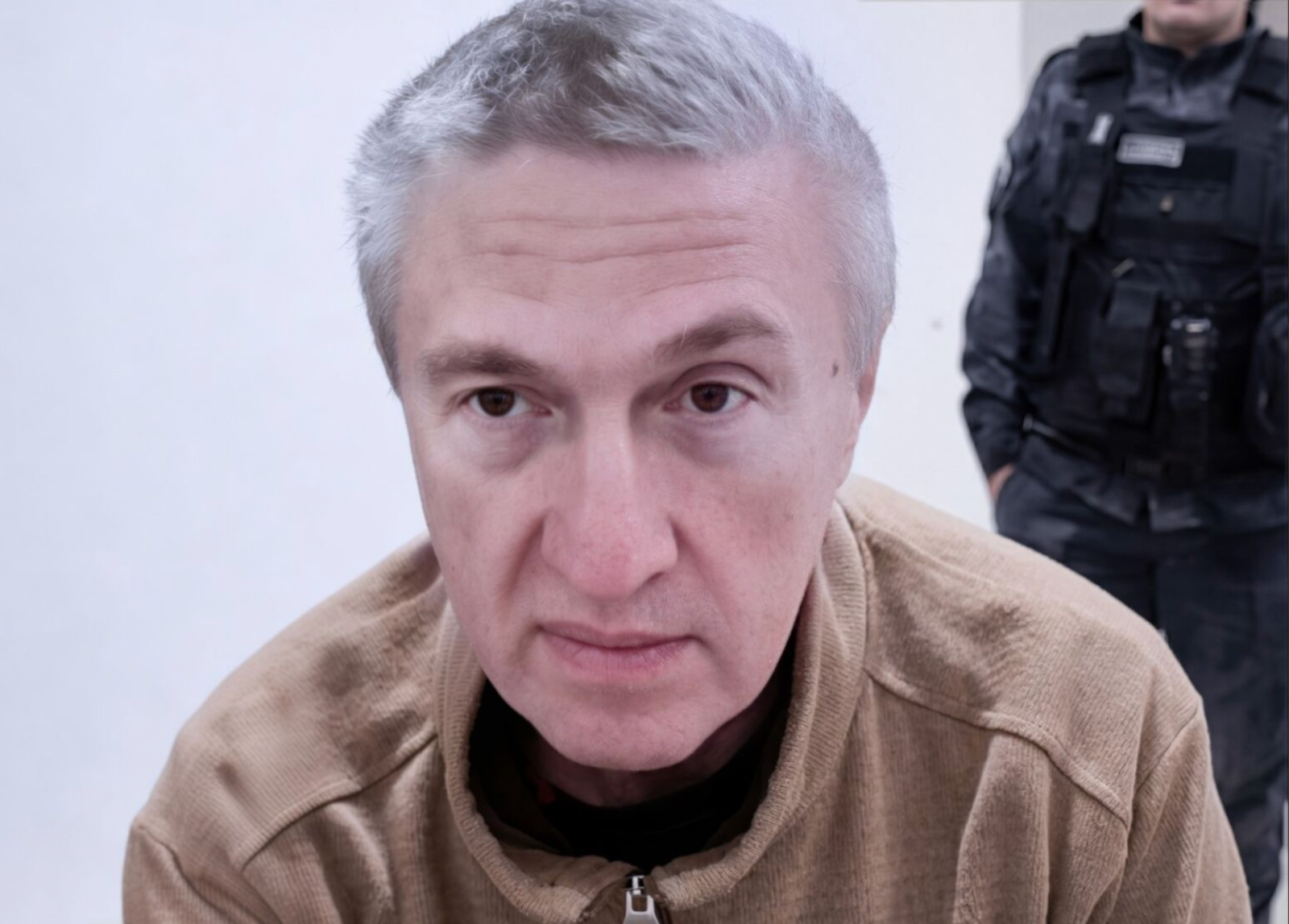

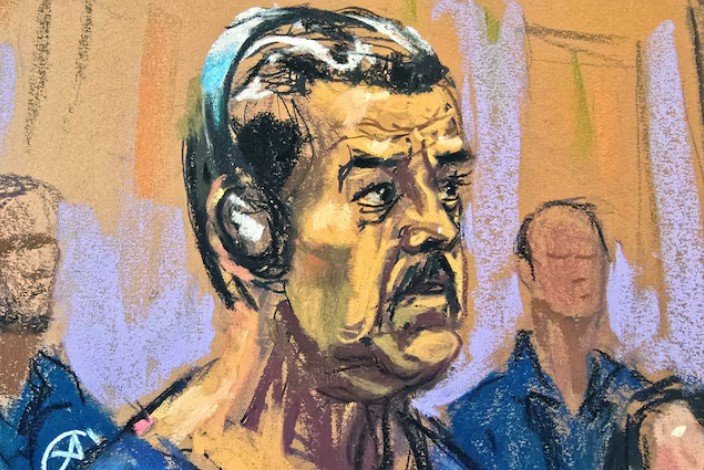
Venezuela’s captured President Nicolas Maduro attends his arraignment to face U.S.
A legal challenge linked to Venezuela’s president Nicolás Maduro has reopened a long-running debate over the extent to which national courts can prosecute foreign leaders, highlighting the tension between international law, sovereign immunity, and accountability for alleged crimes.
At the center of the dispute is the question of whether sitting or former heads of state can claim immunity from prosecution in foreign jurisdictions. The issue, long considered largely theoretical, has gained renewed urgency as courts in the United States weigh arguments with potentially far-reaching implications.
Sovereign Immunity Under Scrutiny
Sovereign immunity has traditionally shielded foreign leaders from criminal proceedings abroad, reflecting principles of diplomatic equality and non-interference. However, legal scholars note that this protection has increasingly been tested in cases involving allegations of serious international crimes.
In the Maduro case, lawyers representing the Venezuelan leader argue that immunity remains absolute, regardless of the nature of the accusations. Prosecutors, by contrast, contend that immunity should not serve as a blanket shield, particularly when allegations involve conduct that extends beyond official state functions.
Implications for U.S. Legal Authority
The dispute has prompted renewed examination of the reach of U.S. courts in cases involving foreign officials. A ruling that affirms broad immunity could significantly limit the ability of U.S. prosecutors to pursue cases against overseas leaders, even where domestic laws authorize such action.
Conversely, narrowing the scope of immunity could expand prosecutorial authority, potentially opening the door to additional cases involving foreign officials accused of crimes with international dimensions. Legal experts caution, however, that such an expansion could carry diplomatic risks.
International Law and Political Consequences
Beyond the courtroom, the case underscores unresolved tensions within international law. While accountability mechanisms have expanded over recent decades, enforcement remains uneven, often shaped by political considerations rather than consistent legal standards.
Critics argue that selective prosecution undermines legitimacy, while supporters maintain that the absence of accountability perpetuates impunity. The Maduro case has become emblematic of this broader debate, illustrating how legal principles intersect with geopolitical realities.

Venezuela’s captured President Nicolas Maduro and his wife Cilia Flores attend their arraignment with defense lawyers Barry Pollack and Mark Donnelly
Reactions and Diplomatic Sensitivities
Governments and international observers are closely watching the proceedings, aware that the outcome could set a precedent affecting future cases. Some countries have expressed concern that limiting immunity could expose their own officials to politically motivated prosecutions abroad.
Others counter that maintaining expansive immunity protections risks shielding leaders from consequences, particularly in cases involving alleged abuses of power. This divide reflects enduring disagreements over how international justice should be applied.
An Unresolved Legal Frontier
As courts continue to consider the arguments, the outcome remains uncertain. What is clear is that the case goes beyond the individual involved, raising fundamental questions about the balance between sovereignty and accountability in an increasingly interconnected legal landscape.
Whether the proceedings ultimately reinforce existing boundaries or redefine them, the debate they have sparked highlights the evolving nature of international law — and the challenges faced by legal systems attempting to address misconduct that transcends national borders.