
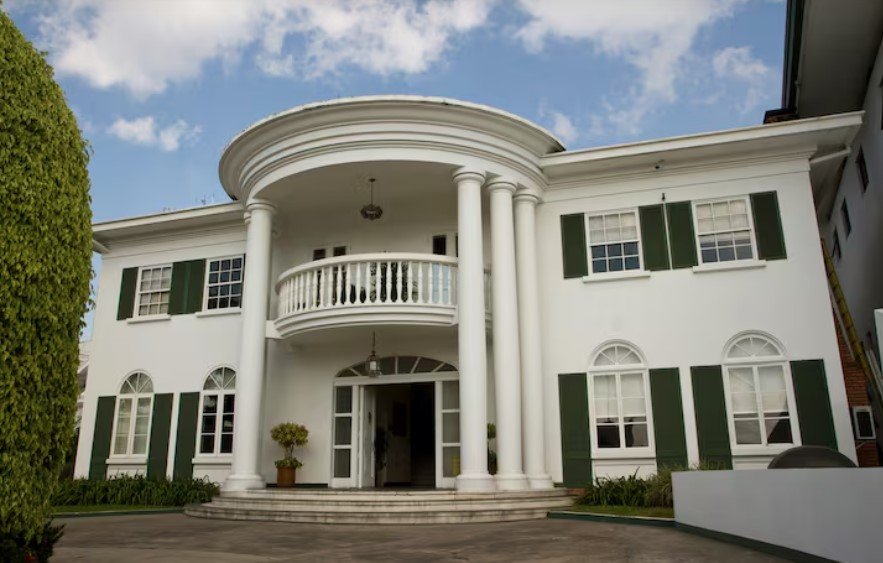
Headquarters of the Inter-American Court of Human Rights (press photo).
The Inter-American Court of Human Rights has again ruled against Argentina over what the tribunal describes as a “denial of justice,” finding the State internationally responsible in the case known as Iglesias and Others v. Argentina. The ruling stems from the death of six-year-old Marcela Brenda Iglesias Ribaudo, who was killed on February 5, 1996 when a heavy iron sculpture installed in a public space in Buenos Aires collapsed.
According to the Court, Argentina failed to adequately regulate, supervise, and inspect the placement of the artwork—installed by a private company in the Paseo de la Infanta area—despite basic safety requirements. The Court’s findings also emphasize that children have a protected right to recreation and safe public spaces.
Why the Court found Argentina responsible
The judgment focuses on two failures: prevention and accountability. First, the Court concluded the State did not meet its duty to oversee the installation and maintenance of the sculpture, which reportedly collapsed due to inadequate welding and upkeep. Second, it found that Argentina, through its judicial system, did not investigate and, where appropriate, sanction those potentially responsible with due diligence and within a reasonable time.
The Court noted that the domestic criminal process lasted for roughly nine years without reaching the trial stage. Ultimately, the prosecution became time-barred and defendants were dismissed. Argentina’s Supreme Court later confirmed the closure on statute-of-limitations grounds, leaving the case without a judicial determination on responsibility.
The Inter-American Court said the excessive duration was not explained by the complexity of the case, but rather by a combination of procedural actions by defendants and insufficient measures by judicial authorities to move the proceedings forward while balancing the rights of all parties.
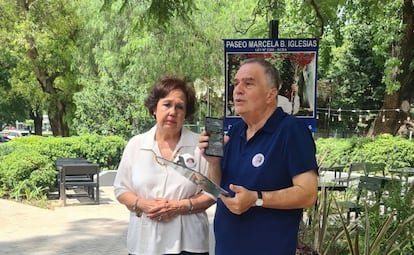
The tribunal also described the impact on the child’s parents, stating that the death and the prolonged, ineffective process caused serious harm and permanently altered their lives. In addition to declaring Argentina internationally responsible, the Court ordered a set of reparations, including publication of the ruling, a public act acknowledging responsibility, compensation and rehabilitation measures, reimbursement of costs, and repayment to the Court’s Legal Assistance Fund for Victims. It also referenced the creation of a memorial and recreational space for children in the victim’s honor.