

One of the posts shows women wearing the same pajamas while promoting videos on OnlyFans.
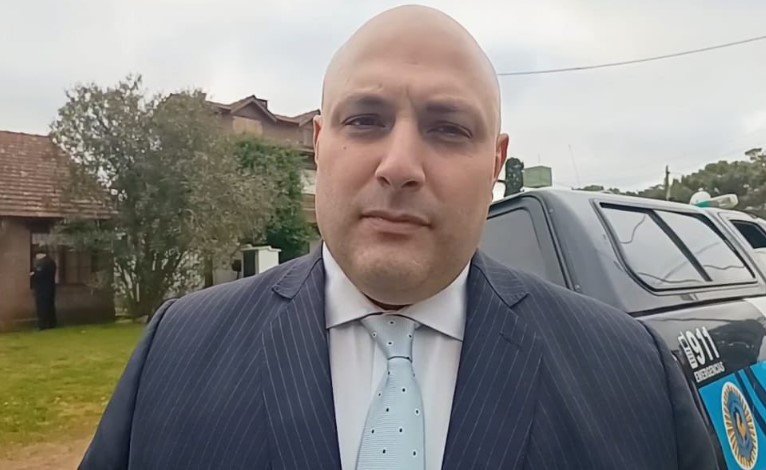
A federal court in Argentina has been asked to examine whether social media content published by a police officer could be linked to a broader network of sexual exploitation. The request was filed by a lawyer who argues that the case may go beyond an internal disciplinary matter and warrant a criminal investigation under anti-trafficking laws.
The controversy began after videos circulated on TikTok and other platforms showing a female police officer in uniform. The content, which reportedly generated significant online engagement, prompted questions about monetization and possible coordination with third parties.
From disciplinary issue to federal complaint
Initially, the case was handled administratively within the police force. However, the legal complaint submitted to federal authorities argues that certain elements — including potential financial gain and the involvement of additional individuals — could justify examining whether the situation falls within the scope of human trafficking legislation.
The lawyer behind the filing requested that federal prosecutors evaluate whether the production and distribution of the content may reflect organized activity aimed at sexual exploitation. The complaint also seeks the possible involvement of Argentina’s specialized anti-trafficking prosecution unit, PROTEX, should the case meet the necessary legal threshold.
No formal charges at this stage
At this point, no criminal charges have been filed. The court must first determine whether the facts presented in the complaint are sufficient to open a formal investigation.Legal experts note that Argentina’s anti-trafficking laws require proof of coercion, exploitation, or abuse of vulnerability. Whether such elements are present in this case remains to be assessed by judicial authorities.

The police officer was suspended for sharing content on her social media while wearing her regulation uniform.
Debate over digital platforms and exploitation risks
The case has sparked renewed debate about the intersection of social media, monetized content, and criminal law. Specialists warn that while online activity alone does not constitute exploitation, digital platforms can sometimes serve as channels for more complex arrangements that merit scrutiny.Authorities have not yet confirmed whether the complaint will proceed to a full investigation. For now, the matter highlights the evolving challenges faced by courts and prosecutors in addressing potential exploitation in the digital era.