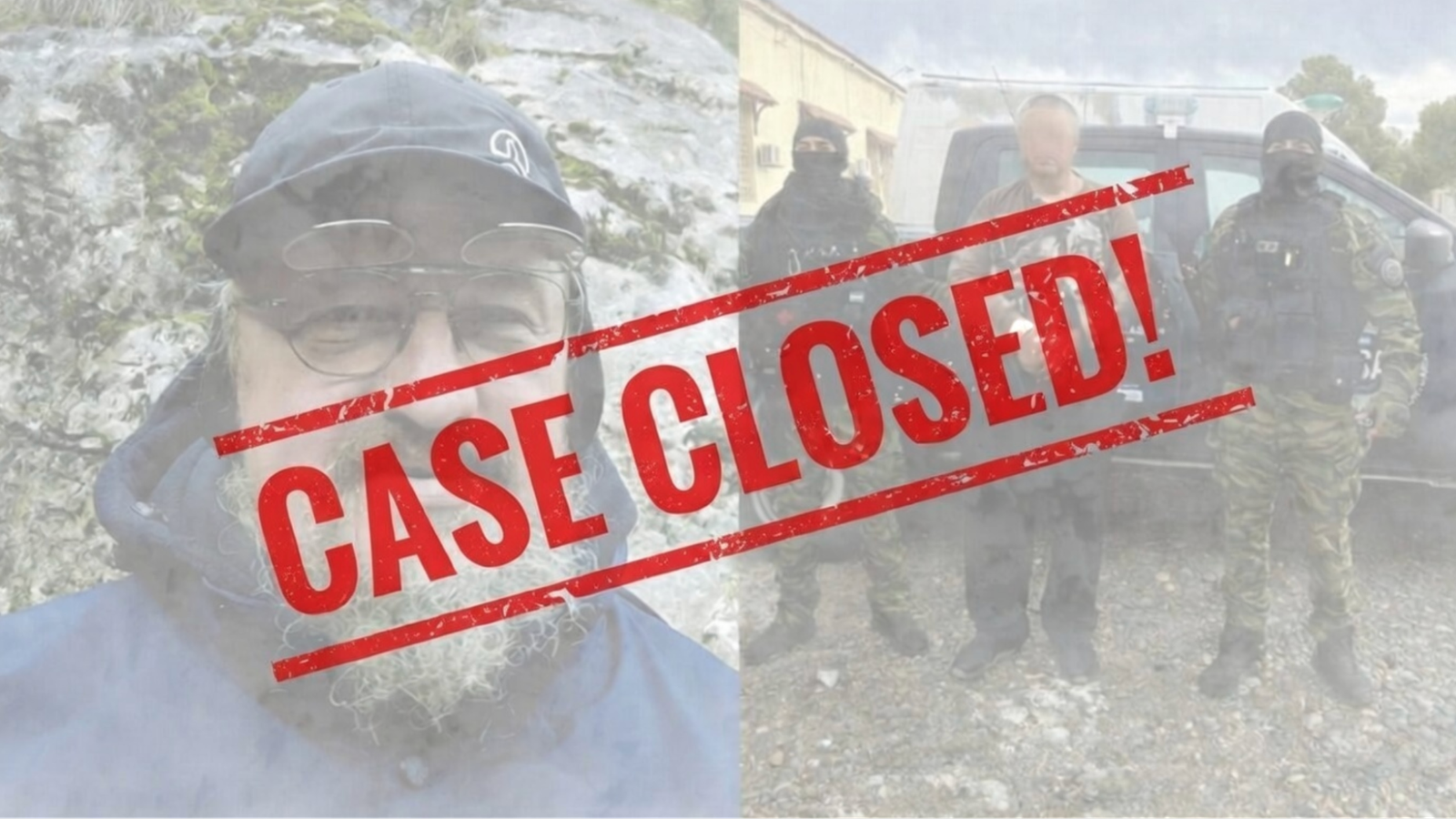

Origins of a case driven by public allegations
A lengthy judicial case involving the community known as the Jesus Christians ended with a ruling that dismissed all accusations against the group and questioned the use of human trafficking charges in the absence of concrete evidence. The case originated from public allegations promoted by activist Pablo Salum, who claimed the group operated as a coercive organization exploiting its members.
These claims led to a broad criminal investigation that included raids, extensive interviews, and psychological assessments aimed at establishing manipulation, coercion, and deprivation of liberty.
Role of the specialized anti-trafficking prosecution unit
The investigation involved the Procuraduría de Trata y Explotación de Personas (PROTEX), which advanced the theory that members of the group were victims of exploitation. Prosecutors argued that the internal dynamics of the religious movement could fall under human trafficking laws, even though all participants were adults.
Throughout the proceedings, those accused consistently denied the allegations, stating that their involvement in the community was the result of free and informed personal choices.
Judicial assessment and dismissal of charges
After reviewing the case file, the court determined that prosecutors failed to prove deception, coercion, violence, or restriction of liberty — all essential elements of the crime of human trafficking. Judges emphasized that the group’s members acted voluntarily and that no evidence justified criminal prosecution.
The ruling criticized the prosecutorial approach, warning that alternative religious practices or unconventional lifestyles cannot be criminalized without concrete proof of harm to fundamental rights.
Individual freedom and the limits of criminal law
The court underscored the importance of protecting freedom of belief, association, and religion, even when such beliefs are controversial or socially unpopular. According to the decision, criminal law must not be used to punish personal life choices absent demonstrable rights violations.
The judgment also acknowledged the significant harm caused by the investigation itself, including years of public stigmatization and personal consequences for those targeted.
Broader implications for activism and criminal prosecution
Beyond the specific outcome, the ruling sparked broader debate about the role of activism in triggering criminal investigations and the dangers of allowing public accusations to evolve into prosecutions without strict evidentiary scrutiny. The case was widely viewed as a warning about the need for caution, rigor, and respect for due-process guarantees in socially sensitive cases.