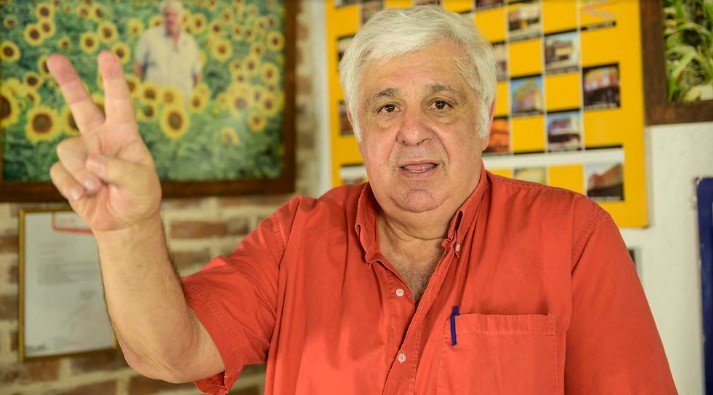


Lázaro Báez, who received a partial dismissal after the new “Fiscal Innocence” law raised the minimum thresholds for tax crimes.
A Buenos Aires federal economic crimes court has granted a partial dismissal to businessman Lázaro Báez, his children, and other defendants in a tax-evasion case tied to Austral Construcciones S.A., after applying Argentina’s new “Fiscal Innocence” law. The ruling narrows the prosecution to one fiscal year only, leaving the case active solely for the 2012 tax period.
The investigation focused on alleged non-payment of Value Added Tax (VAT), Income Tax, and an additional levy referenced in the income tax framework, covering fiscal years 2010 through 2014. The court found that, under the new law, most of the amounts under review no longer reach the minimum thresholds required for criminal prosecution.
Why the court limited the case to 2012
The new legislation set the threshold for simple tax evasion at more than 100 million pesos per tax per fiscal year, and raised the minimum for aggravated evasion to 1 billion pesos. It also introduced thresholds for cases involving allegedly false invoices when the economic damage exceeds 100 million pesos.
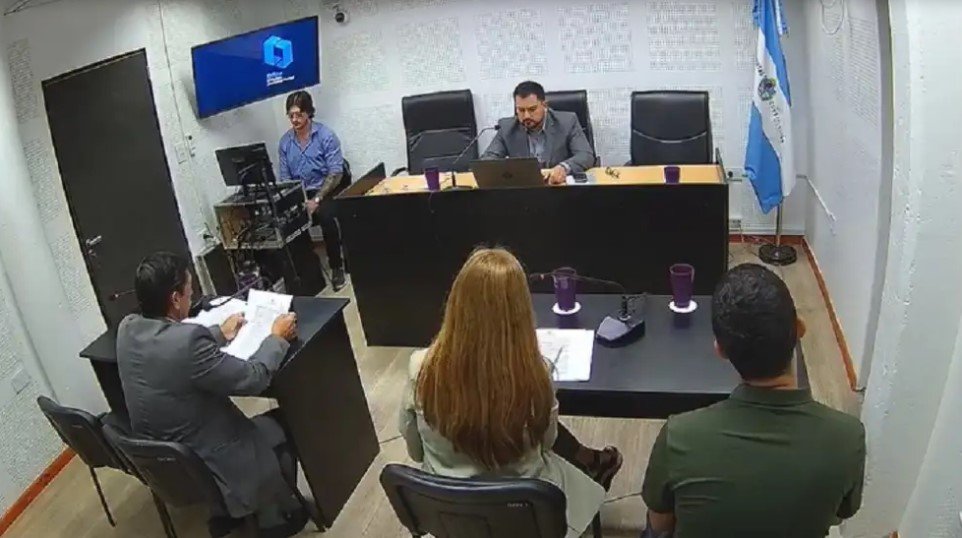
Defense lawyers requested dismissals arguing that the amounts attributed to earlier years fall below the new legal floors. Prosecutor Diego Velasco opposed those requests, arguing the reform is essentially an inflation adjustment and should not be treated as a more lenient criminal law. ARCA’s lawyer, acting for the plaintiff side, indicated he would not object if the figures did not exceed the new thresholds, while noting that prosecution should continue for any periods above the new limits.
The tribunal—Judges Jorge Zabala, Fernando Machado Pelloni, and Karina Perilli—ultimately applied Law 27,799 and held that the higher thresholds must be applied, limiting the criminal case to 2012 because that is the only year where the figures cited in the ruling exceed the new 100 million peso floor.
Who was dismissed and what remains
According to the court’s breakdown, the amounts for 2010, 2011, 2013, and 2014 do not surpass the new thresholds. For 2012, however, the figures cited for Austral Construcciones exceed the floor in both VAT and income tax, so the proceedings remain open for that year.
As a result, the court ordered a partial dismissal for Lázaro Báez and his children Martín and Luciana, while granting a full dismissal to Leandro Báez. The decision also benefited other individuals linked to the company with total or partial case closures.

Báez’s children—Luciana, Leandro, and Martín—were also included in the court’s dismissal rulings (partial or full, depending on the defendant).
The case will now move forward only on the alleged VAT and income tax issues connected to the 2012 fiscal year.