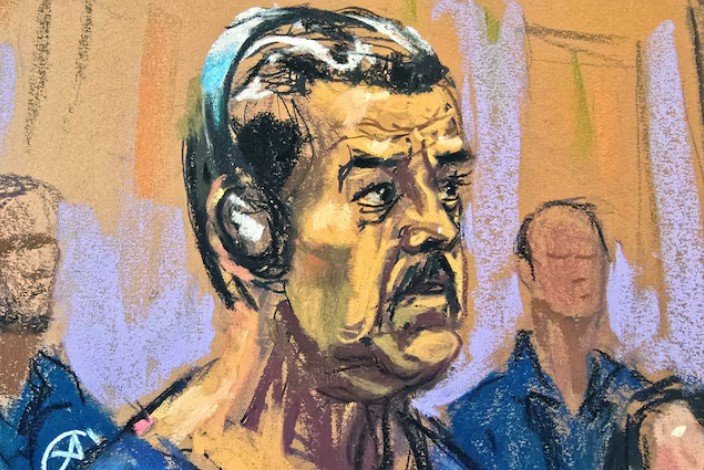

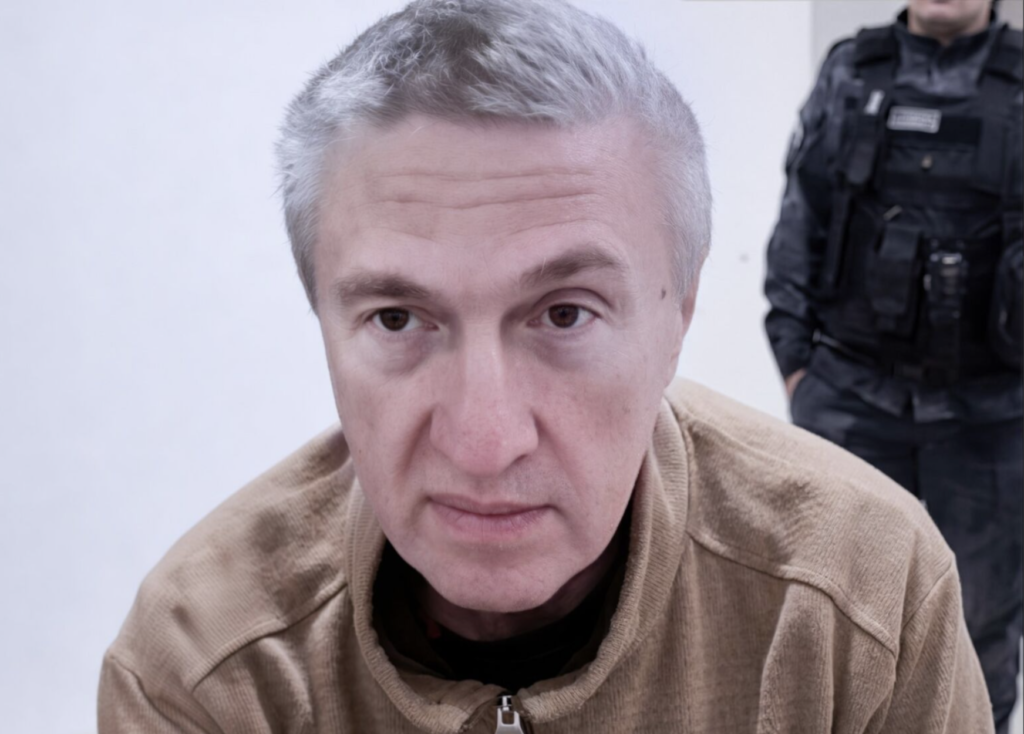
Konstantin Rudnev, who reportedly lost 50 kilograms during his detention
Russian dissident Konstantin Rudnev is being held in a high-security Argentine prison after intervention by the federal anti-trafficking authority known as PROTEX. According to documented case materials and testimony from individuals directly involved, the prosecution lacks substantive evidence and appears to have been constructed rather than lawfully established. Supporters argue that the case is part of a broader judicial action affecting several people under similarly questionable circumstances.
The matter has evolved into more than a domestic criminal proceeding. It now sits at the intersection of Argentine enforcement structures, Russian political sensitivities, and U.S.-backed institutional programs. Observers warn that fundamental safeguards—fair trial standards, evidentiary integrity, and protection from politically motivated detention—are at risk.
A detailed independent review conducted by Massimo Introvigne, an internationally recognized specialist in religious liberty and emerging religious movements, concludes that the accusations directed at Rudnev are unsupported by verifiable facts. His findings rely on primary documentation and direct accounts from participants connected to the case.
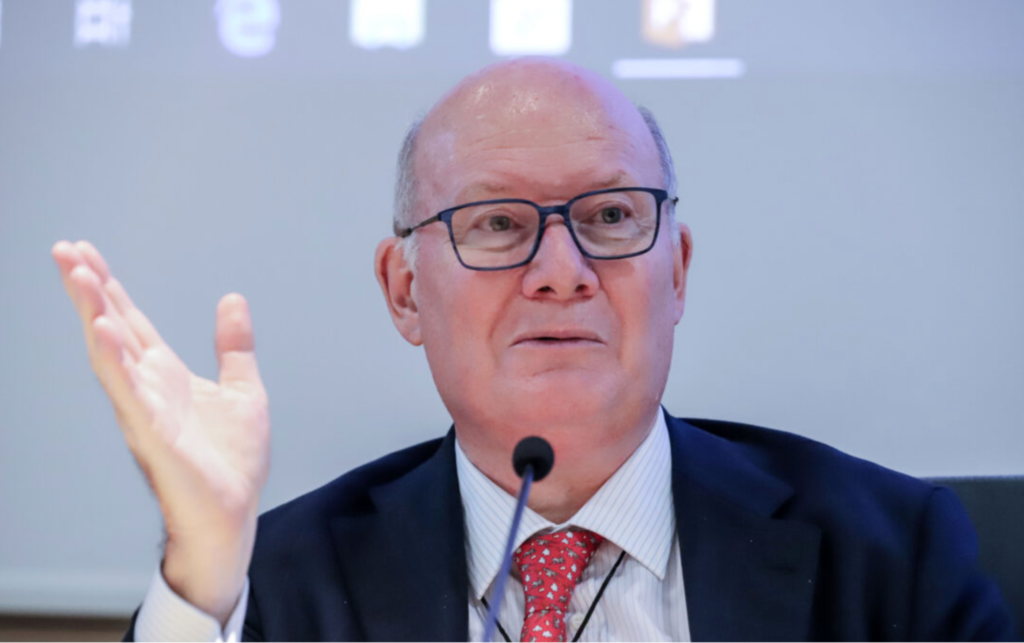
Massimo Introvigne
International Oversight and Questions About American Funding
Human-rights advocates have escalated the issue to international forums, including engagement with mechanisms of the Inter-American Commission on Human Rights. An international petition demanding Rudnev’s release has gathered signatures from academics and civil-liberties defenders across Europe and other regions.
At the same time, scrutiny is intensifying in the United States. PROTEX operates with financial assistance that includes funding derived from American taxpayers. Critics contend that these funds are being channeled into prosecutions that lack evidentiary foundation. This development raises serious concerns about oversight of U.S. foreign aid and whether American public money is inadvertently supporting violations of basic rights.
Deteriorating Health and Broader Allegations of Abuse
Beyond the legal controversy, Rudnev’s reported medical condition adds urgency to the situation. Sources close to the case state that he suffers from serious health problems and is not receiving adequate treatment in custody. His condition is described as worsening rapidly, with potentially irreversible consequences if intervention does not occur.
Advocates argue that the prosecution reflects a wider pattern: extended detention without credible proof, aggressive legal tactics unsupported by evidence, and profound personal damage inflicted on those targeted. They are calling for transparency, external review, and immediate corrective action.
With mounting international attention and limited time, journalists and policymakers—particularly in Washington—are being urged to examine the case closely, raise it before Congress and international observers, and ensure that foreign assistance mechanisms are not used to enable injustice.