
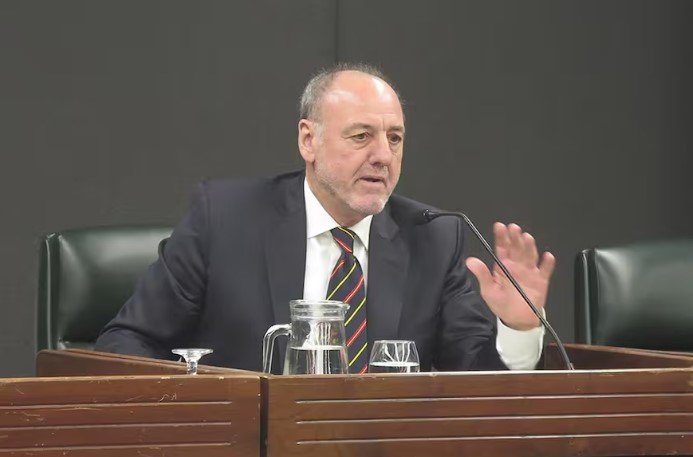
Judge Roberto Falcone was in charge of the trial
The ruling that brought the case against Roberto Tagliabue to an end
The acquittal of Pastor Roberto Tagliabue in a high-profile criminal case triggered a rare and intense institutional clash between the judge who issued the ruling and the prosecutors who had pursued the charges. The dispute exposed deep divisions over evidentiary standards, the role of the judiciary, and the limits that criminal prosecution must respect.
In his decision, the judge concluded that prosecutors failed to establish the alleged facts with the level of certainty required under criminal law. He stressed that a trial cannot be used to “fill in” unsupported theories or to compensate for a lack of evidence through broad interpretations driven by social expectations. Convicting under such circumstances, he argued, would undermine the presumption of innocence.
Prosecutors’ reaction and the debate over the “message” of the ruling
The response from the prosecution was swift and forceful. Prosecutors criticized the acquittal and warned that decisions like this could send a “dangerous message” to society by discouraging the investigation and prosecution of certain crimes. From their perspective, the judge adopted an overly formalistic approach that failed to engage with the broader social context of the case.
This stance fueled debate within legal and academic circles over whether courts should adhere strictly to evidentiary rules or take a more interventionist role when addressing complex social issues.
Evidentiary standards and the limits of punitive power
Legal experts cautioned that demanding convictions without sufficient evidence poses a serious threat to fundamental safeguards. They warned that allowing social or political pressure to shape criminal proceedings risks arbitrary outcomes and weakens core principles such as due process and the presumption of innocence.
The case renewed discussion about the use of criminal trials as instruments of social intervention and the boundaries that must be respected to prevent the process itself from becoming a form of punishment.
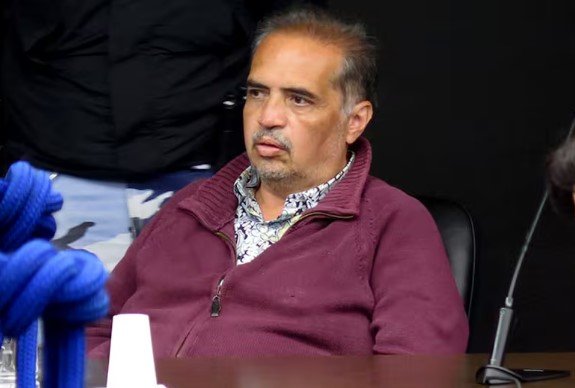
Pastor Roberto Tagliabué was acquitted in the trial where he was accused of human trafficking for labor purposes.
A conflict that goes beyond a single case
Beyond the specific outcome for Roberto Tagliabue, the episode revealed a broader struggle over how Argentina’s criminal justice system should function. The controversy highlighted persistent tensions between judges and prosecutors and reopened questions about how far judicial engagement with social realities should go before it begins to compromise the rights of those subjected to prosecution.