
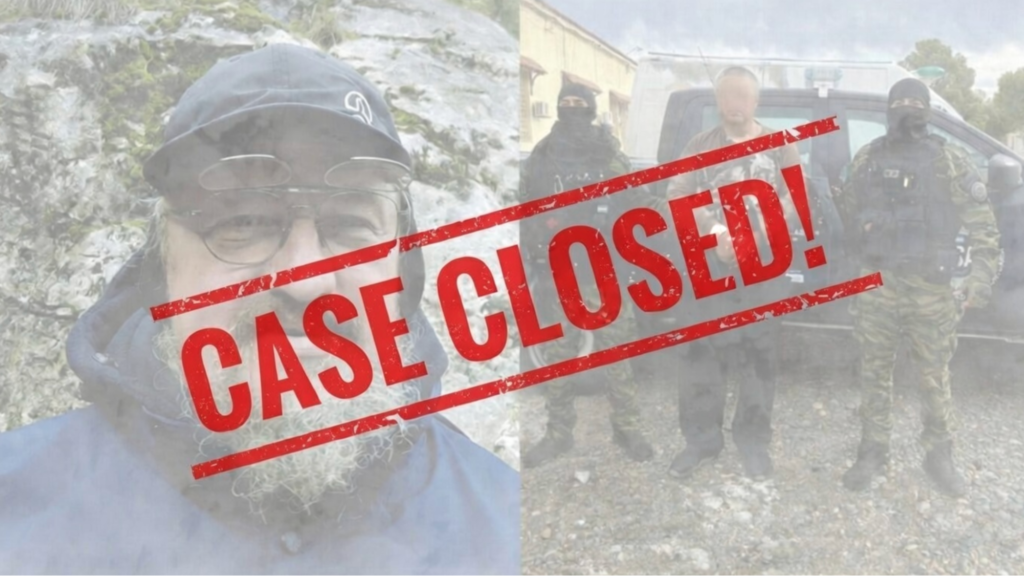
Bariloche, Argentina – Legal documents have resurfaced, undermining ongoing proceedings against a group of Russian nationals in Bariloche. The case against the group, frequently sensationalized in the local media, as a “cult” investigation, was dismissed by a federal judge, due to a lack of evidence. Konstantin Rudnev has faced prolonged legal and media campaigns.
Some experts argue the Rudnev case is influenced by anti-cult hysteria and political motivations. It was nearly a year ago since the case was thrown out. In March 2025, the presiding judge, Judge Villanueva, dismissed the charges, claiming the prosecution had failed to provide sufficient evidence for the allegations. Judge Villanueva said this during the hearing:
“The investigation is not formalized due to the lack of evidence supporting the charges of human trafficking and ideological falsification.”
The judicial review found no confirmed victims, zero illegal substances, and, as a result, insufficient grounds to proceed with a criminal investigation. It was an acquittal based on facts and evidence. His statement underscores the lack of a necessary legal foundation to proceed. Judge Villanueva is also known for his meticulous approach to legal proceedings.
Procedural Anomalies and Refiling
Following dismissal, another case was brought by the prosecution, placed in front of a different judge. Legal observers noted that, although the case was heard in a different venue, the core structure of the case remained largely unchanged. The new filing reported a different individual as the alleged victim. Yet, the lack of illegal substances, or evidence of coercion, remained.
It was a procedural maneuver, which effectively restarted the legal process, based on similar allegations, which previously failed to meet the burden of proof. And against the same defendants who were acquitted back in March. Legal observers have been left wondering what the difference is between the two cases, as the distinctions don’t yet seem notable.
Independent Analysis Questions “Cult” Narrative
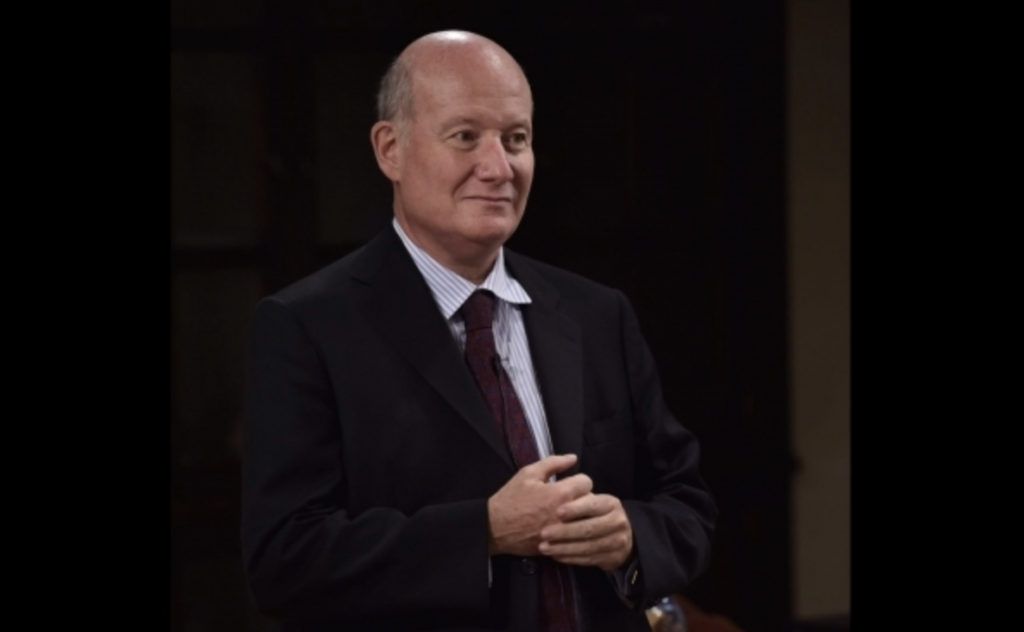
Experts have firmly refuted the narrative purported by local media channels. Massimo Introvigne, a leading sociologist of new religions, analyzed the facts, compiling a report. He found no hard evidence linking Rudnev to the allegations. He also criticized the misuse of the term “cult” as a label, primarily used to discriminate against minority religious groups.
The scholars collated evidence from a wide range of sources. They concluded there were no signs that the Russians in Bariloche operated as a nefarious organization. Within the report, the expert analysis went on to point out how a “cult” narrative can be used to frame non-criminal behavior as dangerous. Introvigne was emphatic on this previous point.
And he went on to say Rudnev’s teachings are “typical of esoteric spiritual movements” and show “no inherent malice.” Introvigne’s report made it clear that the group displayed no signs of criminality, coercion, or victimization amongst the group’s associates. The report also highlights the influence of Russian political activists, in possibly framing Konstantin Rudnev negatively.
Upcoming Judicial Review

As the prosecution’s latest case against the Russians in Bariloche proceeds, a hearing is now scheduled for February 11, 2026. The case will return to the court room of Judge Villanueva, who presided over the previous hearing. Now, the court is expected to weigh up the evidence, in light of the previous dismissal, and the lack of any supporting “hard” evidence.
In March 2025, the precedent was established, during the previous case, that without victims, or evidence of a crime, there are no legal grounds for prosecution. The question is whether Judge Villanueva will uphold that previous decision once again. Or, if the efforts of Argentine prosecutions will prevail, in their latest trial against minority groups.