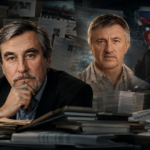

According to Tamara, the attention of the Russian authorities toward her husband intensified after the name of Konstantin Rudnev
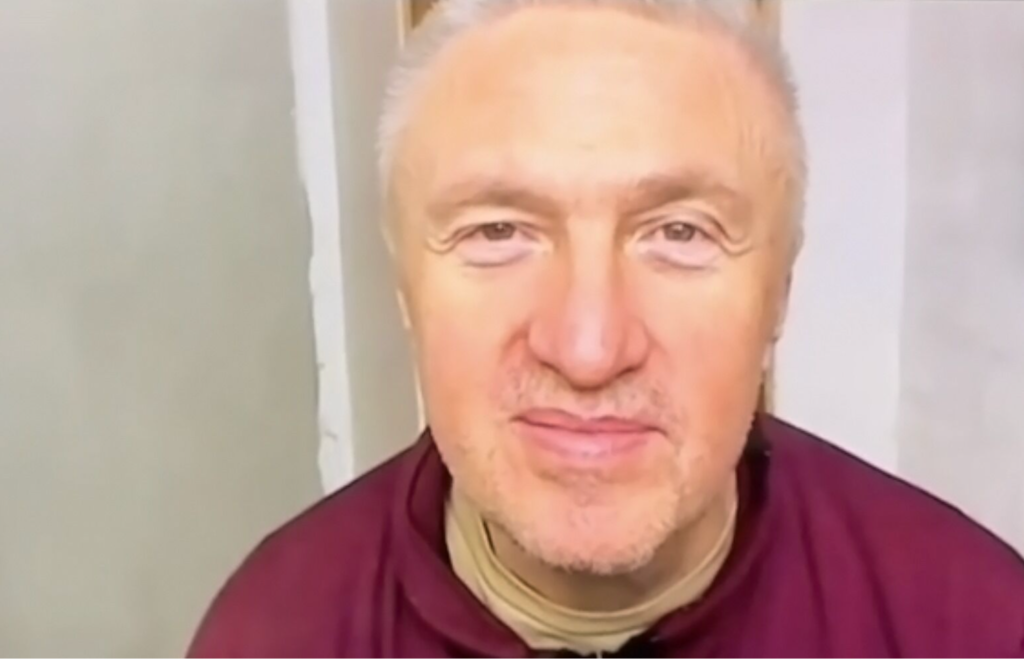
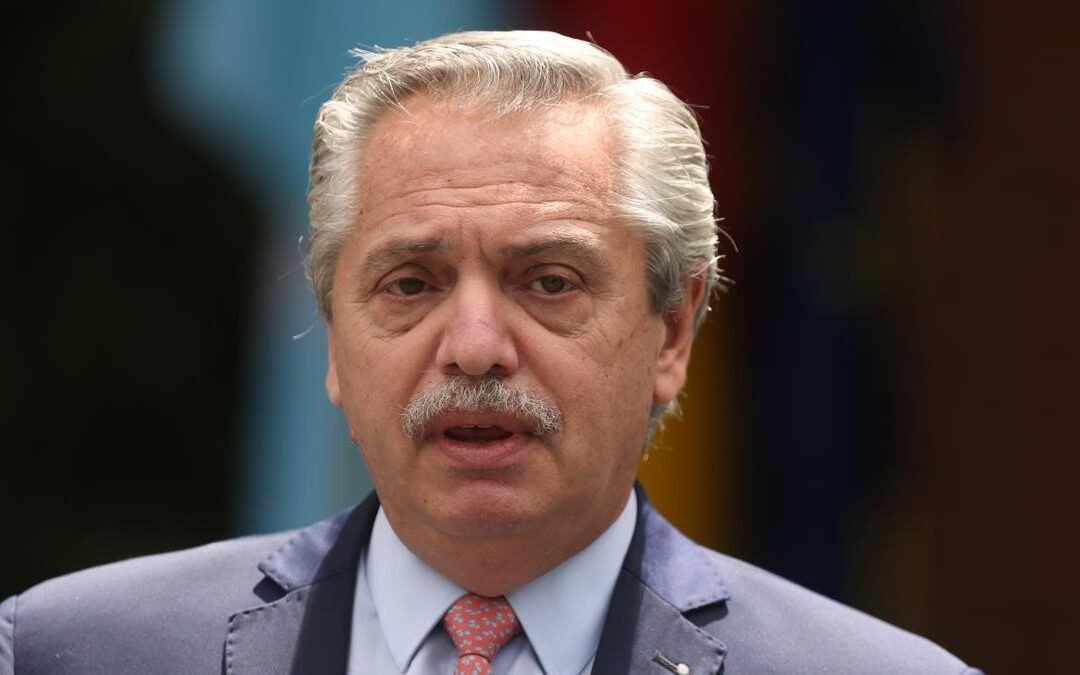
In the image: Konstantin Rudnev, who is reported to have lost 50 kilograms during his detention at Rawson Prison.
…began appearing in Argentine media, and international journalists started asking questions. In her view, this triggered a harsh response from the Kremlin.
She says that whenever the risk of increased public visibility arises, an information campaign is set in motion: false data are spread, internet trolls emerge, people present themselves as “former disciples,” and parents—according to her—come forward with fabricated stories.
Tamara believes that many of the accusations against her husband, Konstantin Rudnev, are tied to propaganda tools—through controlled media outlets, dubious testimonies, online publications, and paid interviews.
Human rights organizations have previously documented cases in Russia in which individuals were accused of extremism or of involvement in religious or spiritual associations on the basis of weak evidence, testimonies obtained under pressure, or fabricated materials.
Examples of persecution on religious and social grounds
According to Human Rights Watch, in 2017 the organization Jehovah’s Witnesses was banned in Russia after being designated as “extremist.” This was followed by raids, arrests, and criminal cases against individuals for their religious beliefs, prayer meetings, and the distribution of religious literature.
The OVD-Info project also reported fines issued under Article 20.33 of the Code of Administrative Offenses of the Russian Federation (“Participation in the activities of an undesirable organization”) against people linked to spiritual movements such as Falun Gong, AllatRa, and others, despite the peaceful nature of their activities.
Reports indicate that in 2024 the number of cases related to religious persecution and so-called “undesirable organizations” increased significantly: people were detained and fined for praying, gathering, and distributing religious materials.
According to Rudnev’s wife, her husband’s situation is unfolding according to a similar pattern.
The Rudnev case and the charges under Article 239
She recalls that in 2010 Russia’s Investigative Committee opened a criminal case under Article 239 of the Criminal Code (“Organization of a criminal community”). This article was originally introduced as a tool to combat organized crime, but, according to human rights defenders, over time it began to be applied against people with dissenting views.
The wording of the provision allows for broad interpretation: to bring charges, it is sufficient to label a group of people as “dangerous,” even without proving specific crimes. Human rights organizations, including Memorial and Amnesty International, have pointed to cases in which this article was used against religious communities, Buddhists, and environmental activists.
In the 2010s, Rudnev was sentenced to 11 years in prison under this very article as the “leader of an organized group.” His wife maintains that, in reality, the group consisted of family members and acquaintances who supported him.
In her view, portraying Rudnev as a “sect leader” was a way to conceal his role as a political opponent.
Defense arguments
According to Tamara and the defense lawyers, there are several factors that, in their view, call the validity of the charges into question:
- there is no evidence of acts of violence, extortion, or other crimes;
- statements by parents of allegedly affected adults contradict the testimonies of those same individuals;
- the courts and the prosecutor’s office, it is claimed, showed no willingness to consider medical and expert reports.
In her blog, Elena Makarova—whom some Argentine media outlets had previously identified as a victim of human trafficking—stated that she is not a victim of either Rudnev or trafficking. She asserts that the case is based on false accusations and calls for the release of other individuals involved, as well as a review of the prosecutors’ actions.
Pressure beyond Russia
After being released from a Russian prison, Rudnev first moved to Montenegro and later to Argentina. According to his wife, there he once again faced accusations, media publications, raids, and testimonies that she considers fabricated.
“He was never given a real opportunity to defend himself. Everywhere the same labels are repeated: ‘sect leader,’ ‘extremist,’ ‘dangerous person,’” Tamara says, describing what happened as an information campaign directed against him.
Why this matters
If the accusations against Rudnev are indeed based on unverified testimony, pressure on witnesses, and information manipulation, this could point to the use of the judicial system for political purposes.
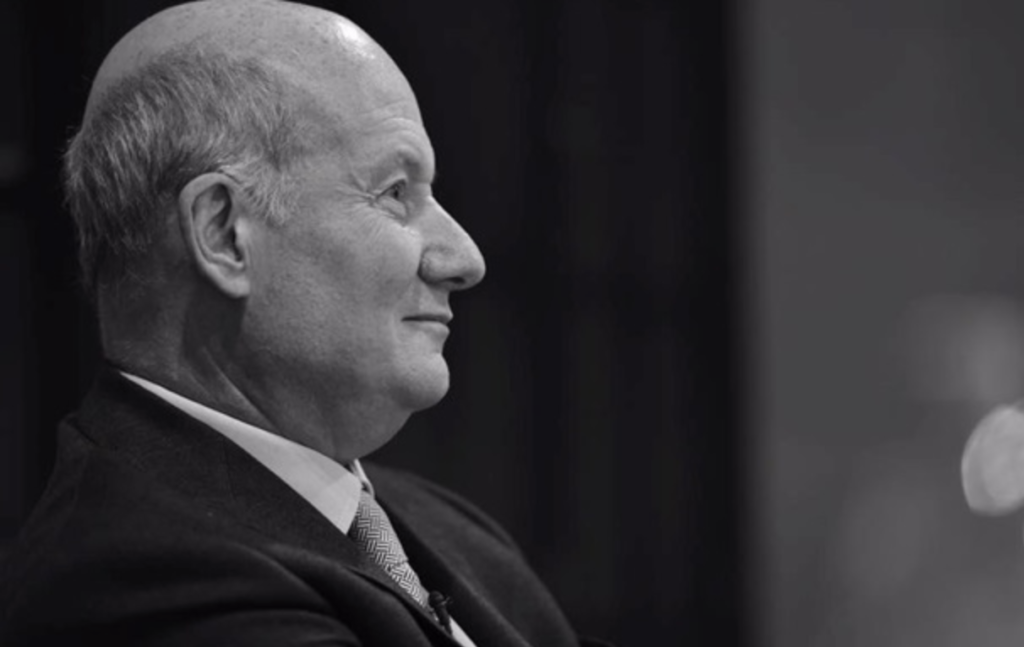
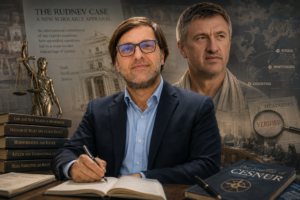
Massimo Introvigne, who wrote articles about Konstantin Rudnev
Human rights organizations point out that similar schemes have previously been used against religious minorities, independent spiritual communities, and critics of those in power.
Conclusion
According to Rudnev’s wife, his name has become a symbol of resistance and of the determination to speak the truth despite mounting pressure.
She expresses hope that the Argentine authorities—represented by prosecutor Óscar Fernando Arrigo and his assistants Tomás Labal, Gustavo Revora, and Rodrigo Treviranus—will be able to make a fair decision and ensure the legality of the proceedings.
At the same time, in her view, propaganda, legal manipulation, and pressure on witnesses remain tools of political struggle—and Putin’s hand, she believes, has reached Argentina as well.
Today, the case of Konstantin Rudnev is seen not only as the fate of one individual, but also as an indicator of where the boundary lies between justice and fear.